
Building an in-house CAD team to handle all this is expensive and slow. It's especially painful for regulated industries like dental and orthopedic devices, where hiring specialized talent takes months you don't have.
This guide covers why companies outsource 3D modeling, the types of services available, realistic cost ranges, how to vet a partner, and mistakes that cost teams time and money.
Key Takeaways
- Outsourcing 3D modeling cuts overhead and speeds up time-to-market versus building an internal team
- Plan for wide cost ranges driven by complexity, industry, and freelancer vs. firm choice
- Industry-specific experience matters most for medical and defense work. Generalists cause costly revisions
- A single partner covering CAD through production reduces vendor juggling and handoff errors
Why Outsource 3D Modeling Services
Cost efficiency is the obvious driver, but it's not just about salary. A mechanical drafter's median wage sits at $64,060 annually, or $30.80 per hour, according to BLS. Add software licenses, recruiting, training, supervision, and idle time between projects, and the real cost of an in-house hire climbs well past the base salary.
Outsourcing converts that fixed cost into variable spend. You pay for work done, not headcount sitting idle during slow quarters.
Specialized expertise matters even more in regulated industries. Medical device and military components require precision that generalist modelers often miss. The U.S. medical-device outsourcing market alone was valued at $30.96 billion in 2024, with a projected 13% annual growth rate. Specialized outsourcing is quickly becoming standard practice in these sectors.
Other advantages stack up quickly:
- Faster turnaround during backlog periods without a hiring cycle
- Internal teams free to focus on R&D, sales, and strategic work
- Reduced vendor complexity when one partner covers design through production
Vendor consolidation matters most when timelines are tight. Juggling a CAD freelancer, a separate prototyping shop, and a third vendor for injection molding creates handoff gaps. Every transfer between vendors is a chance for specs to get lost or timelines to slip.
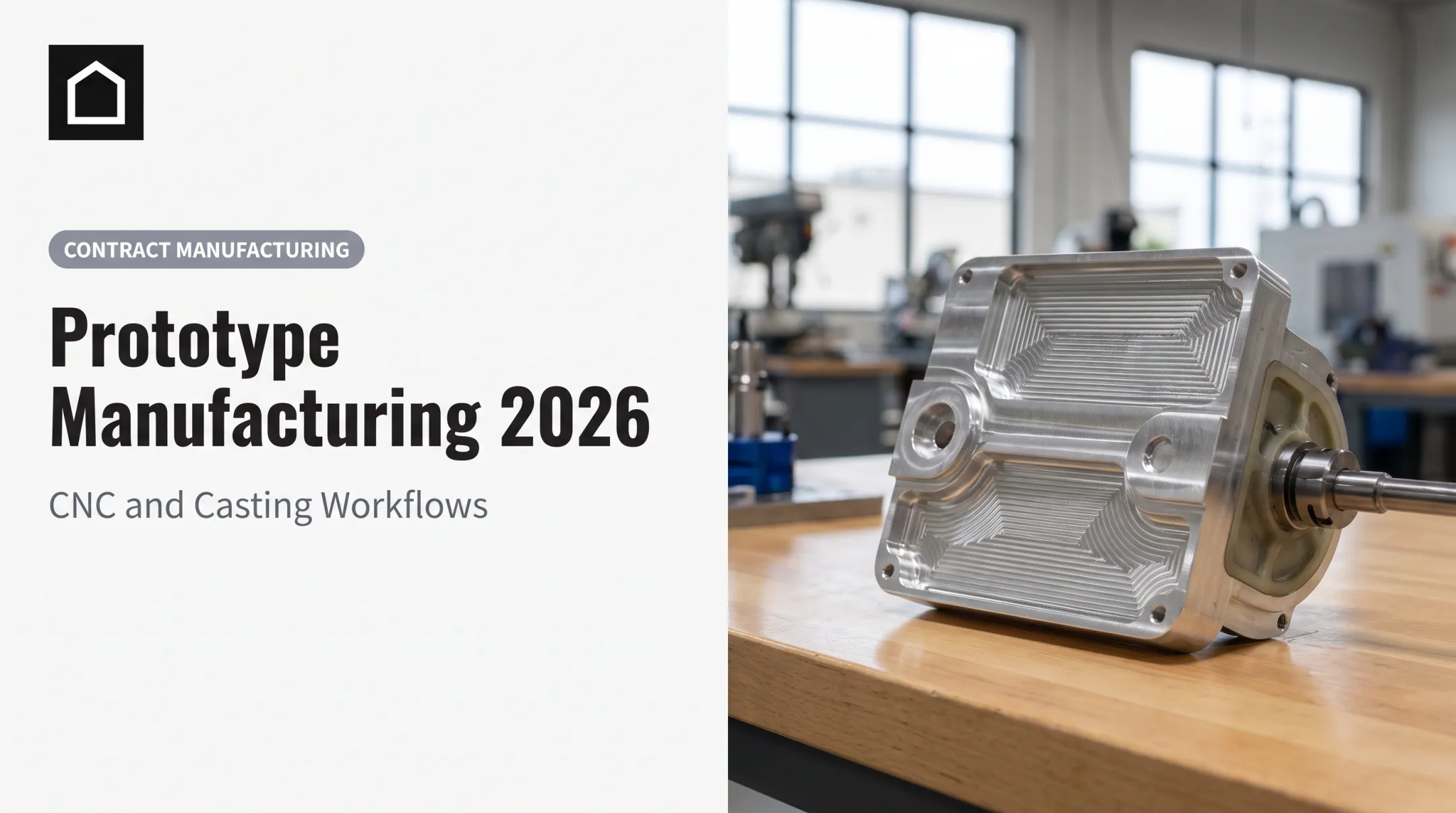
Finine Design and Manufacturing takes the opposite approach. Based in San Diego, the company covers CAD modeling, 3D printing, CNC machining, urethane casting, injection molding, and production painting under one roof. Automotive, military, consumer electronics, and medical clients get one partner instead of three or four separate vendors.
Types of 3D Modeling Services Companies Outsource
Common 3D modeling categories companies outsource include:
- Product design and prototyping: sketch-to-CAD files ready for manufacturing
- Medical and scientific visualization: anatomically accurate dental and orthopedic models for engineering and education
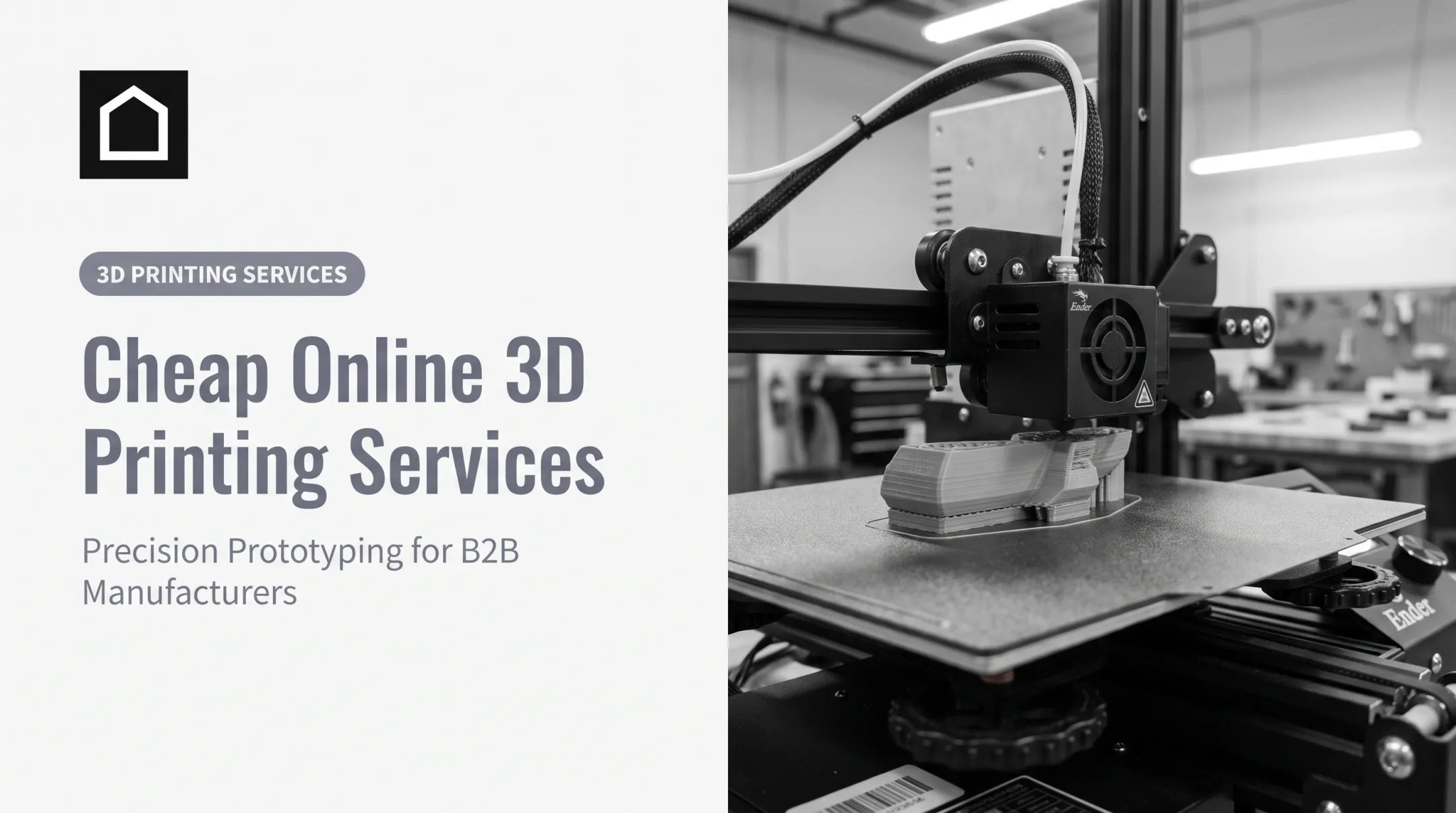
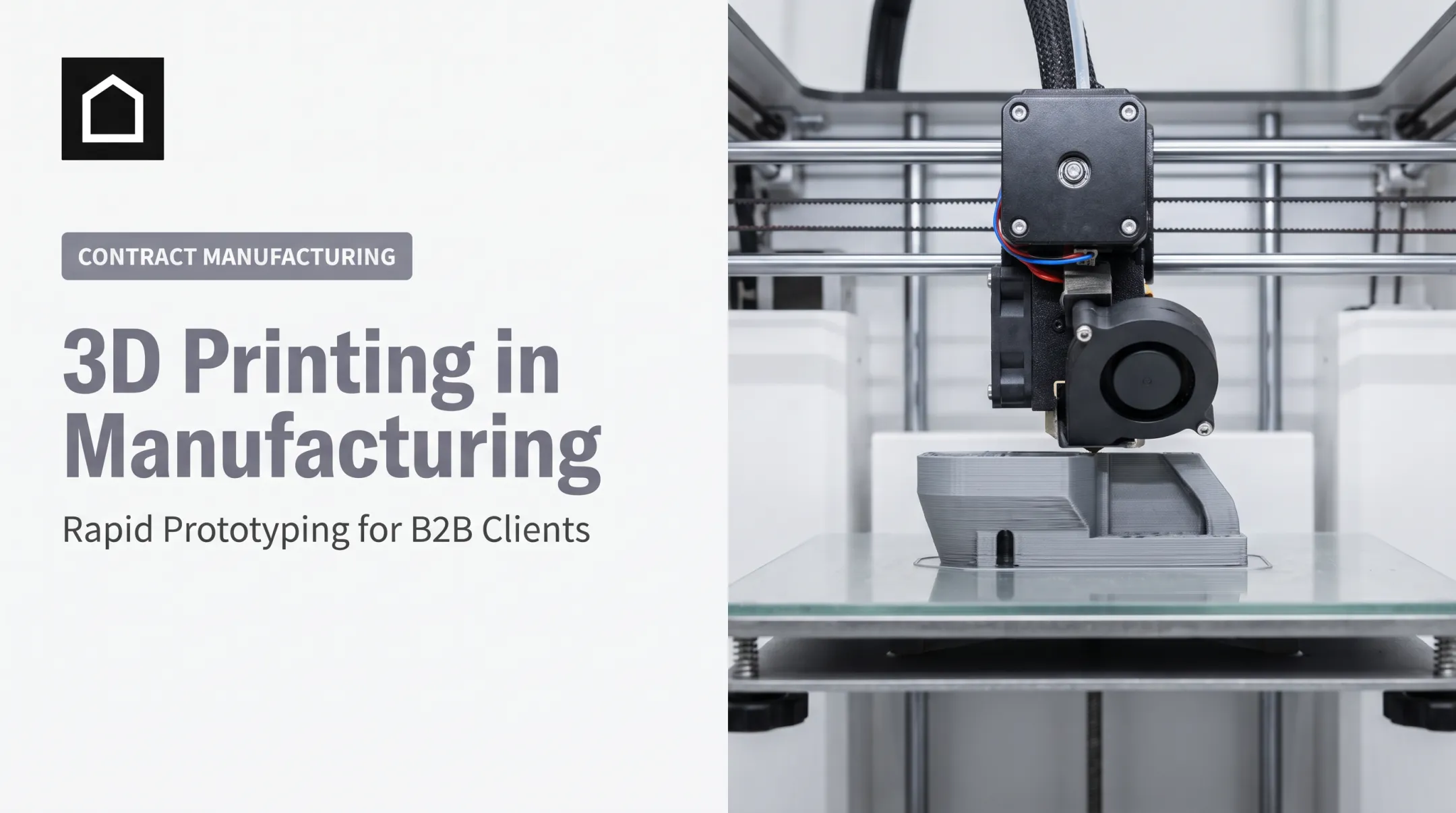
- 3D printing-ready modeling: files tuned for wall thickness, supports, and printer type (FDM, SLA, SLS)
- Architectural and industrial visualization: presentation models for approvals and stakeholder buy-in
- AR/VR and gaming assets: low-poly models optimized for real-time engines
Each requires a different skill set. A modeler who excels at photorealistic renderings for a lobby presentation may lack the expertise to design for injection-molding draft angles.

Product Development Modeling for Regulated Industries
That gap widens in regulated work. Automotive and military parts carry tighter tolerances and stricter material specifications than most consumer products. A part that's "close enough" for a phone case won't pass inspection on a defense component.
Dental and orthopedic sales and educational models sit in their own niche. These aren't just functional prototypes. They need to communicate product form clearly to sales teams, clinicians, or students.
That means combining technical accuracy with presentation quality: color-matched finishes, cosmetic detailing, and sometimes silk-screened branding so the model reads as a finished product, not a rough draft.
When outsourcing this work, look for a partner that can carry a model from CAD refinement through painting and graphic finishing. Finine Design and Manufacturing does this end-to-end for dental and orthopedic clients, producing models that hold up to engineering scrutiny and sales-floor presentation.
How Much Does It Cost to Outsource 3D Modeling?
Pricing varies more than most buyers expect. Public benchmarks give a rough starting point:
| Service Type | Typical Rate |
|---|---|
| CAD/3D modeling | Approximately $40–$60/hour (Magellan Solutions) |
| 3D rendering | Approximately $50–$150/hour, or $249–$2,500 per image |
| General CAD drafting | $30–$120/hour depending on complexity |
These are vendor-published figures, not universal averages. Treat them as a budgeting starting point, not a guarantee.
What actually drives your quote:
- Model complexity — a simple bracket costs far less than a multi-part assembly with moving components
- Level of detail — engineering-grade precision costs more than a concept sketch
- Turnaround time — rush jobs carry a premium
- Freelancer vs. established firm — freelancers often quote lower hourly rates but may lack manufacturing knowledge, which can cost more in revisions later

Architectural and product visualization projects are frequently quoted per room or per part rather than by the hour. Smaller jobs typically use per-project pricing, while ongoing partnerships often shift to retainer or bulk-project arrangements once volume justifies it.
Whatever the structure, lock these three items before work begins:
- Fixed scope of deliverables
- Defined revision allowance
- Clear acceptance criteria
A cheap hourly rate means nothing if open-ended "just one more revision" cycles push the project past budget.
How to Choose the Right 3D Modeling Partner
Picking the wrong partner costs more than a bad quote. It costs weeks of rework. Run through this checklist:
- Portfolio and industry experience: Has this vendor worked in your sector, especially medical or defense?
- Technical proficiency: Do they use CAD software compatible with your industry's standard tools?
- Communication and revision policies: How many revisions are included, and how are changes tracked?
- Data security practices: Essential for medical device work (potential HIPAA exposure) and military projects (ITAR/CUI)
- Path beyond modeling: Can they carry the project into prototyping, tooling, and production?

That last point is where a lot of buyers get burned. A modeler who hands you a beautiful CAD file but has never touched injection molding may design geometry that's impossible to manufacture affordably.
Finine Design and Manufacturing closes that gap with a full-service model. The team handles CAD modeling, 3D printing, CNC machining, and injection molding in-house, so design decisions get checked against manufacturing reality from day one—not after tooling is already cut.
Before signing anything, ask for a sample change-control process and a small pilot part. It's the fastest way to see how a vendor actually operates versus how they describe themselves on a sales call.
Mistakes to Avoid When Outsourcing 3D Modeling
Even experienced buyers trip on the same issues repeatedly:
- Skipping portfolio due diligence: A polished website doesn't prove industry experience. Ask for case studies in your sector, not general design work.
- Vague project briefs: Missing dimensions, materials, or tolerances drive costly revision cycles. Specific briefs mean fewer surprises later.
- Ignoring post-production in scope: Spell out rendering, manufacturing handoff, or assembly integration upfront. Vendors quote the contract—not what you assumed was included.
Clear diligence, a precise brief, and full scope up front cut rework, cost overruns, and weeks of delay.
Frequently Asked Questions
How much does it cost to outsource 3D modeling?
Pricing depends on project complexity, industry, and vendor type. Hourly rates commonly range from $30–$150. Request a custom quote for your specific project to get accurate figures.
What is the difference between 3D modeling and 3D rendering outsourcing?
Modeling creates the object's actual geometry — the dimensions and structure that can drive manufacturing. Rendering adds lighting, texture, and realism to produce a 2D image or animation from that model.
How do I know if a 3D modeling vendor has experience in medical or regulated industries?
Review their portfolio for relevant case studies and ask directly about past medical or defense projects. Confirm they understand any compliance standards relevant to your industry before starting work.
Can one outsourcing partner handle both 3D modeling and manufacturing?
Yes. Some full-service partners, like Finine Design and Manufacturing, offer CAD modeling through CNC machining, molding, and painting under one roof, eliminating the need for separate vendors at each stage.
What file formats should I expect from an outsourced 3D modeling project?
Common formats include STL and OBJ for 3D printing and visualization, STEP for CAD exchange, and FBX for real-time and animation work. Confirm your format needs with the vendor before the project starts.
How long does an outsourced 3D modeling project typically take?
Timelines vary based on complexity, industry, and revision rounds. A clear, detailed brief with reference materials upfront is the best way to speed up turnaround.