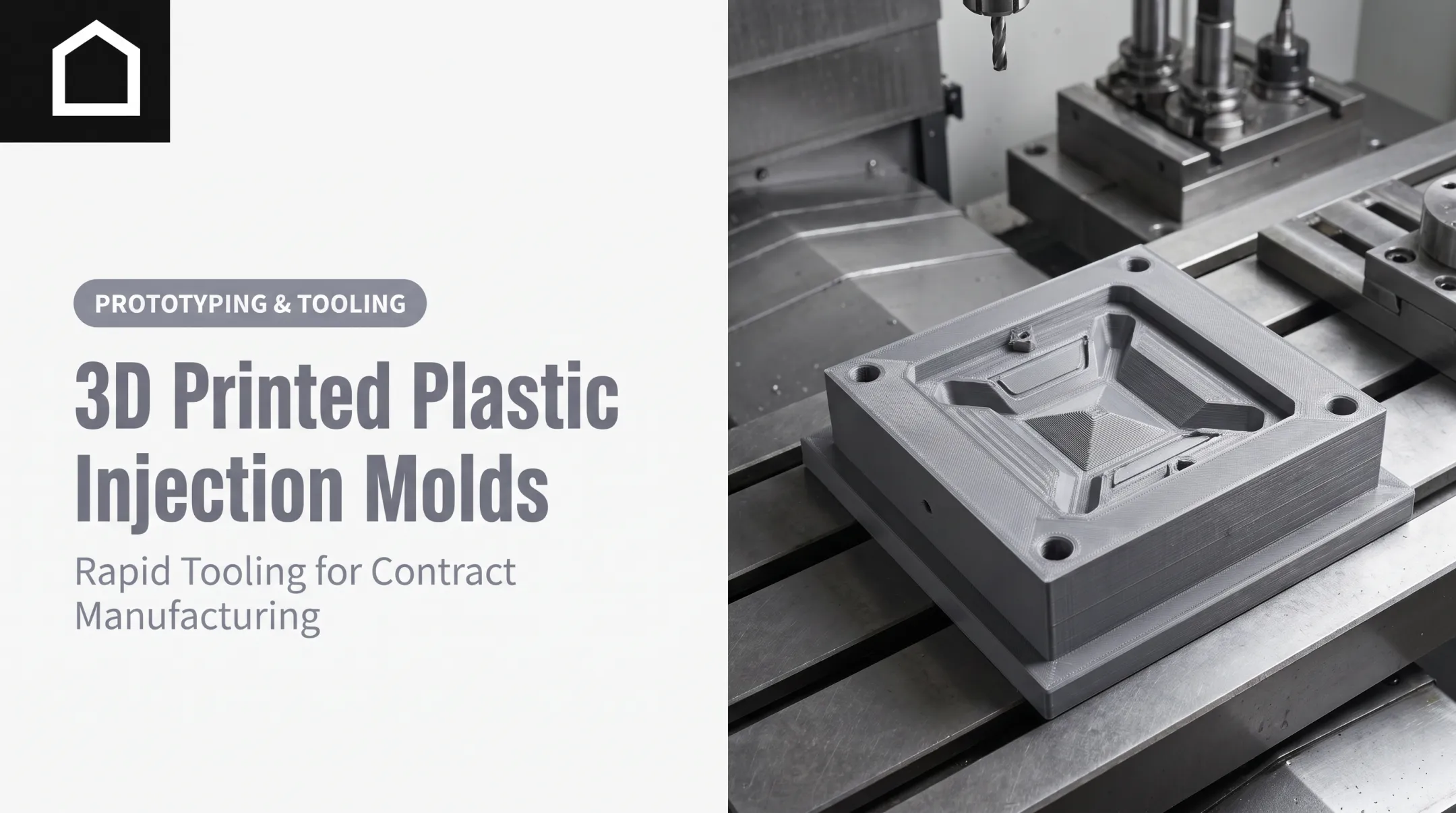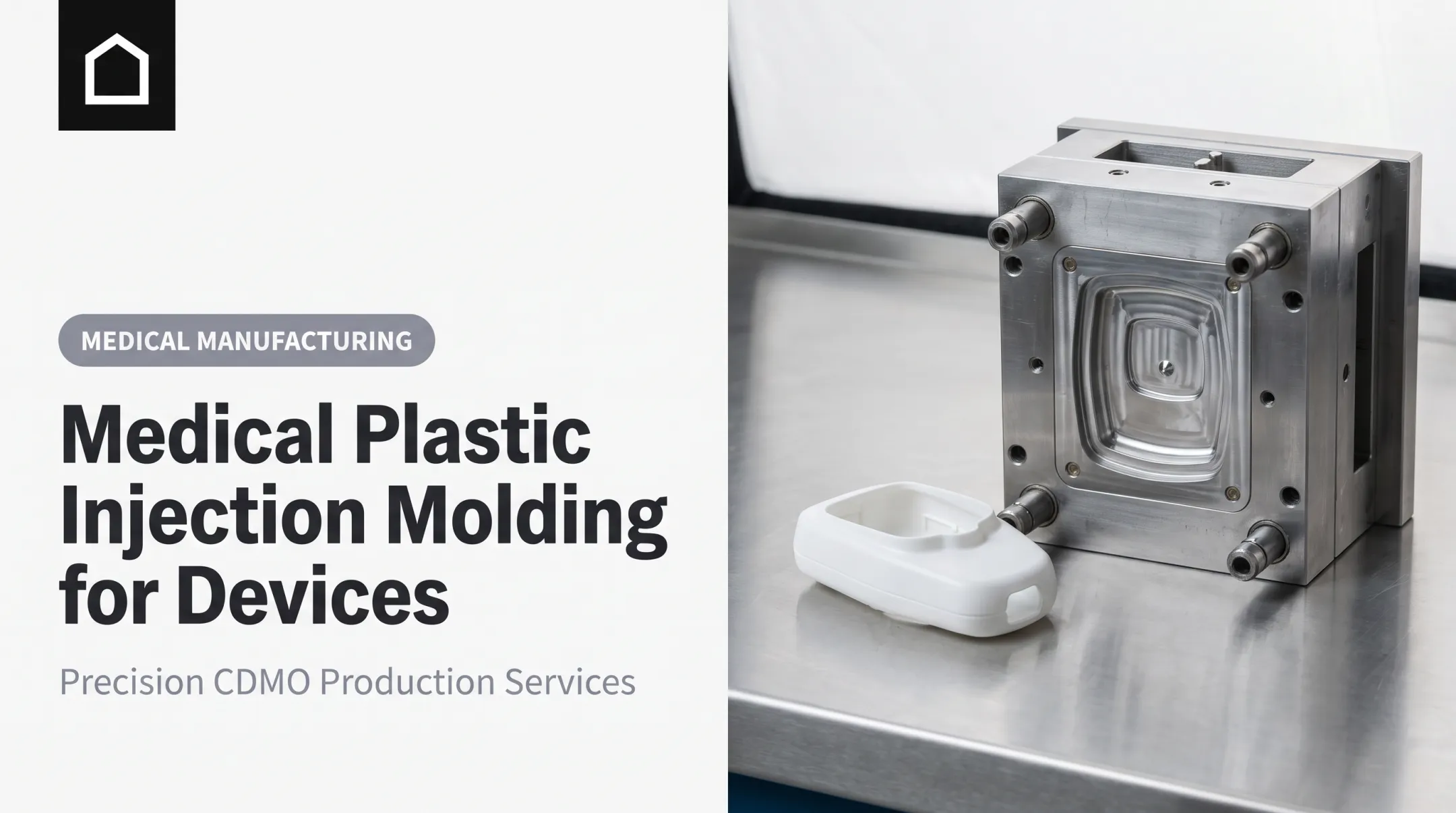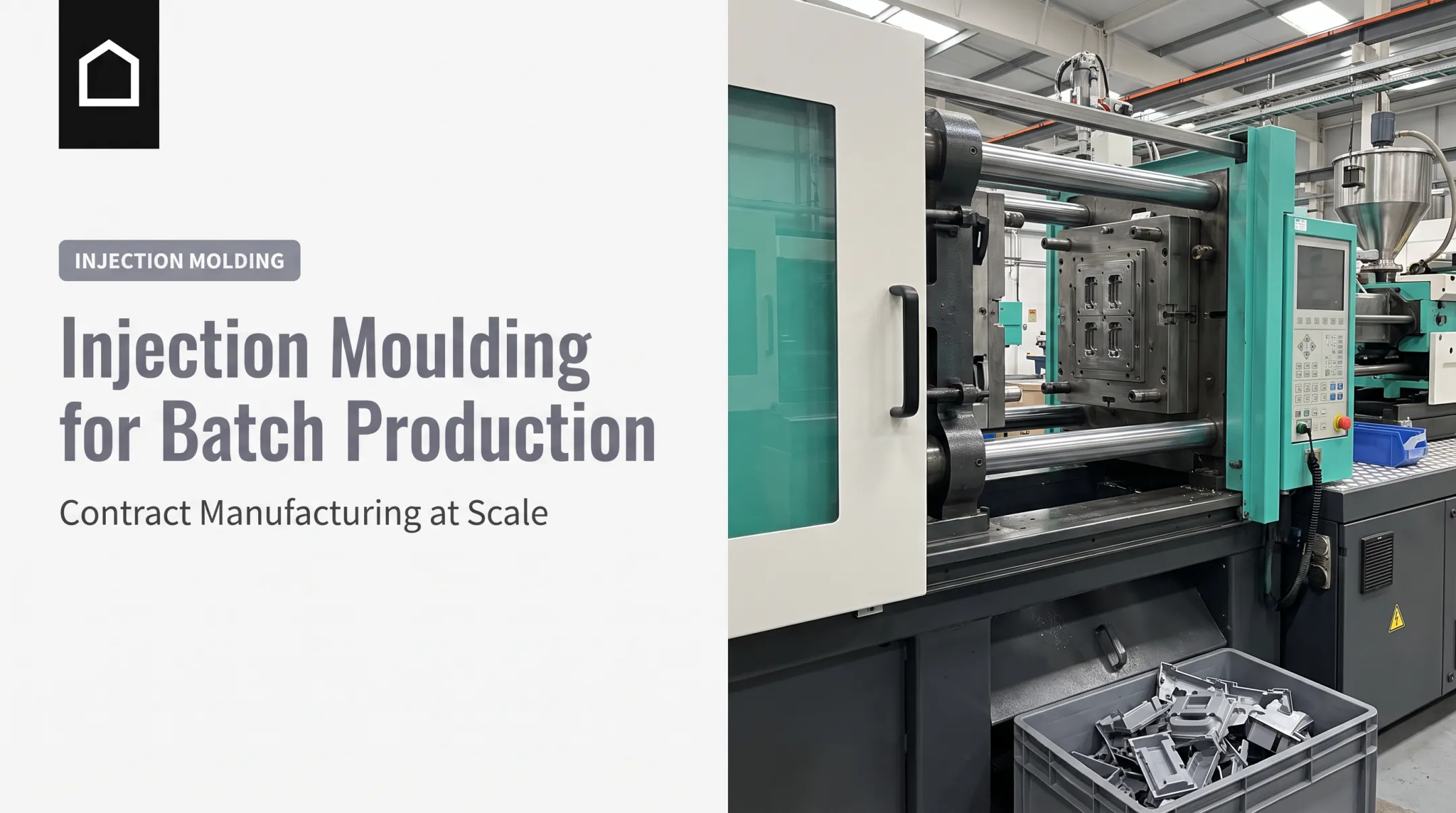

Here's the problem: most product teams don't have one vendor who can take a part from CAD file to finished mold. They juggle a design shop, a prototyping house, and a molder, and every handoff adds delay.
This guide breaks down how automotive injection molding works, which materials fit which parts, the techniques used for complex components, and what to look for in a manufacturing partner.
Key Takeaways
- Get precise plastic parts at scale for interior, exterior, and under-the-hood applications
- Match materials (ABS, PP, PC, Nylon, TPE) to durability, weight, and appearance needs
- Robotics and vision automation improve consistency and catch defects earlier
- Insert and multishot molding build complex, multi-material parts in one cycle
- One full-service partner cuts vendor complexity and shortens time-to-market
What Is Automotive Plastic Injection Molding?
Automotive injection molding is the process of injecting molten thermoplastic into a steel or aluminum mold to form vehicle parts. It's the backbone of how plastic components get made at scale, from dashboard panels to headlight lenses.
The cycle runs in four repeatable steps:
- Melt — Plastic pellets are heated until they flow
- Inject — The molten material is forced into a closed mold cavity
- Cool — The part solidifies inside the mold
- Eject — The mold opens and the finished part is removed

This cycle repeats thousands of times for high-volume production runs, which automotive programs demand. Beyond raw speed, automotive parts also need tight dimensional control, consistent appearance, and full traceability — requirements that separate this work from simpler consumer molding.
Is Injection Molding Automated?
Yes, largely. Modern molding lines use robots for machine tending, part removal, trimming, and packaging. Vision systems inspect parts for flash, scratches, pinholes, and dimensional issues in real time.
Noble Plastics, for example, used FANUC robots and vision technology to improve precision and repeatability across production runs. Industry sources report that simple cobot applications in molding often pay for themselves within 12 months.
Automotive OEMs and suppliers increasingly pair automated molding with automated inspection to meet strict tolerance standards. That pairing does not remove human oversight, but it cuts the labor-dependent variation that drives rejects — the same consistency bar contract manufacturers like Finine Design and Manufacturing work to when producing automotive molded parts.
Common Materials Used in Automotive Injection Molding
Material selection is a balancing act between durability, weight, cost, and appearance. Lightweighting is especially critical in EVs, where every kilogram saved extends range.
- Polypropylene (PP): Used for bumpers and body panels; resists moisture and UV exposure while keeping weight low
- Polycarbonate (PC): The go-to for headlight lenses because of its high light transmission and temperature stability
- ABS and Nylon: Common in dashboards, housings, and under-the-hood parts thanks to impact resistance and strength
- TPE and silicone: Used for seals, hoses, and gaskets where flexibility and thermal resistance matter most

Recycled and bio-based resins are showing up in more OEM specs. Celanese reports its Santoprene ECO-R grades contain at least 15% post-consumer recycled material, and BASF has supplied bio-based polyamide for structural bumper components.
These options are not mainstream defaults yet, but adoption is growing as OEMs set recycled-content targets.
Key Applications: Interior, Exterior, and Under-the-Hood Parts
Where a part sits on the vehicle drives which properties matter most.
Interior Components
Dashboards, door panels, and console trims need Class A surface quality—no visible defects under interior lighting. Scratch resistance and low outgassing also matter for cabin durability and air quality. ABS and PC/ABS are common choices here.
Exterior Components
Bumpers, grilles, and mirror housings face constant UV and weather exposure. These parts need materials that hold color, resist cracking, and keep fit and finish through long UV and weather exposure. PP, ASA, and PC blends are typical for these applications.
Under-the-Hood Components
Engine covers, connectors, and housings live in a harsh environment: heat, oil, vibration, and chemical exposure. Nylon and heat-stabilized grades are common here because they hold dimensional stability under continuous thermal stress.

Molding Techniques for Complex Automotive Parts
Not every part can be made with a single shot of plastic into a single-cavity mold. Complex automotive components often need specialized techniques that embed inserts, combine materials, or run multiple shots in one cycle.
Three approaches cover most complex automotive work:
- Straight injection molding — standard process for high-volume, simple parts: one material, one cavity shape, repeated at scale
- Insert molding — embeds a pre-made component, often metal or electronic, into the plastic during the molding cycle
- Multishot molding (2K or 3K) — combines two or three materials or colors in one part during a single cycle
Insert molding is common for sensor housings, connectors, and switch components. It eliminates a separate assembly step and improves how tightly the insert registers with the surrounding plastic.
Multishot molding produces soft-touch grips, dual-texture bezels, and combined rigid-plus-seal parts. A rigid substrate and soft-touch surface leave the mold as one finished piece instead of two parts glued together later.

Design Considerations and Working with a Manufacturing Partner
Getting from a CAD file to a finished automotive part means managing a few recurring design and production risks.
Common defect risks:
- NVH (noise, vibration, harshness): Critical in EVs, where cabin quiet makes rattles and resonance more noticeable
- Class A surfaces: Lock texture, gloss, and inspection standards before tooling starts
- Flash and warping: Flash from clamping or mold wear; warping from uneven cooling and inconsistent wall thickness
Catching these issues early takes tight coordination between design and manufacturing. That is difficult when your CAD designer, prototyper, and molder are three separate vendors who never share feedback.
A single-partner model keeps that loop closed. Finine Design and Manufacturing, based in San Diego, handles CAD modeling, 3D printing, CNC machining, urethane casting, and injection molding in one facility. A warping risk gets flagged during CAD refinement or prototyping—before it turns into a costly tooling change.
For automotive product teams, that means:
- Fewer vendor handoffs and less lost context
- Faster cycles from prototype to production tooling
- One accountable partner from concept through finished part
Frequently Asked Questions
What is automotive injection molding?
Automotive injection molding injects molten plastic into a steel or aluminum mold to produce vehicle components at scale—from dashboards to under-hood housings. The melt-inject-cool-eject cycle repeats for high-volume runs.
Is injection molding automated?
Yes. Modern machines use robotics, sensors, and vision systems for material feeding, part ejection, and quality inspection. That automation improves consistency and catches defects earlier than manual processes.
What materials are commonly used in automotive injection molding?
Common resins include polypropylene (PP) for bumpers and panels, polycarbonate (PC) for headlight lenses, ABS and nylon for dashboards and under-hood parts, and TPE for seals and gaskets. Each is chosen for durability, weight, and appearance needs.
How long does it take to produce an automotive injection mold?
Timelines depend on tool complexity and material. Prototype tooling often takes a few weeks; hardened multi-cavity production tooling with texture requirements commonly takes 8–16 weeks or longer.
What's the difference between insert molding and multi-shot molding?
Insert molding embeds a pre-made component, like metal or electronics, into the plastic during the molding cycle. Multi-shot molding combines two or three different materials or colors into one part in a single cycle.
Why should automotive companies choose a full-service manufacturing partner?
Consolidating design, prototyping, and production under one vendor cuts down on handoff delays and miscommunication. It also means design issues get caught earlier, before they turn into costly tooling revisions.