
Introduction
Every automotive program hits the same wall: how do you test a design before you've committed to a $50,000 steel mold? Many engineering teams struggle with this exact tension between speed and certainty.
Rapid prototyping closes that gap. It combines CAD modeling, digital simulation, and physical fabrication so teams can hold a part in their hands before production tooling exists. According to Fictiv, rapid parts made through 3D printing or expedited CNC machining can be produced in as little as 1-3 days.
This article walks through what automotive rapid prototyping actually involves, the technologies behind it, and how to decide when a prototype is ready to move toward production.
Key Takeaways
- Match the prototyping method to what you're testing: appearance, fit, function, or manufacturability.
- Catching design flaws early is cheaper than catching them after tooling is cut.
- 3D printing, CNC machining, urethane casting, injection molding, and interface prototyping each solve different validation needs.
- A tested prototype answers one question at a time—it isn't production-ready or safety-certified.
What Automotive Design and Rapid Prototyping Mean
Automotive design covers more than styling. It's the coordinated development of components, systems, interfaces, materials, and manufacturability. A dashboard bracket has to fit, survive vibration, resist heat, and get produced at volume. Design decisions touch all of that at once.
Rapid prototyping is the accelerated creation and evaluation of models, physical or digital, built using CAD, 3D printing, machining, casting, tooling, or simulation software.
Finine Design and Manufacturing's CAD modeling service, for example, takes concepts, sketches, 3D scans, or existing designs and converts them into manufacturable digital models ready for prototyping or production.
Not All Prototypes Serve the Same Purpose
Teams often conflate different prototype stages. They're not interchangeable:
- Concept model - communicates look and feel, rarely functional
- Engineering prototype - tests fit, function, or specific performance characteristics
- Production-intent prototype - built with materials and processes close to final production
- Final manufactured part - the validated, production-approved component
Confusing these stages is where projects get into trouble. A concept model that looks finished can tempt a team into skipping engineering validation it was never designed to support.
Benefits of Automotive Rapid Prototyping
Faster Iteration, Fewer Surprises
Fast iteration lets teams compare several design directions before committing to tooling. Instead of waiting weeks for a single mold sample, a team can review three or four physical variants in the time it used to take to get one.
Finine's prototyping workflow uses 3D printing, CNC machining, or urethane casting specifically to resolve design issues at the prototype stage rather than after tooling is cut. That sequencing matters because tooling changes are expensive once a mold exists.
Validating Form, Fit, and Function
A prototype earns its value by answering specific questions:
- Does the part fit its assembly interface?
- Are clearances correct against mating components?
- Does the geometry hold up under basic load or operational testing?
- Does the ergonomic shape work for the intended user?
CNC-machined prototypes typically deliver the dimensional accuracy a printed part can't match, which matters when checking tight-tolerance interfaces.
Better Collaboration, Lower Risk
A physical model gives designers, engineers, and suppliers a shared reference point instead of arguing over a screen. This shared reference reduces miscommunication across teams more than any status meeting does.
That clarity also protects the budget. Fictiv notes that mold fabrication represents a significant upfront cost, and design complexity, tolerances, and expected changes all drive prototype pricing. Catching a flaw before a mold exists avoids that cost entirely.
Know the Limits
Prototype materials, surface finishes, and print orientation don't always represent production behavior. A urethane-cast part may feel like the final resin without matching every mechanical property. Match your test conclusions to what the prototype was built to prove, not what its appearance suggests.
Rapid Prototyping Technologies and Prototype Types
Choosing a fabrication method comes down to geometry, material requirements, tolerance, and how many parts you need.
| Method | Best For | Key Trade-off |
|---|---|---|
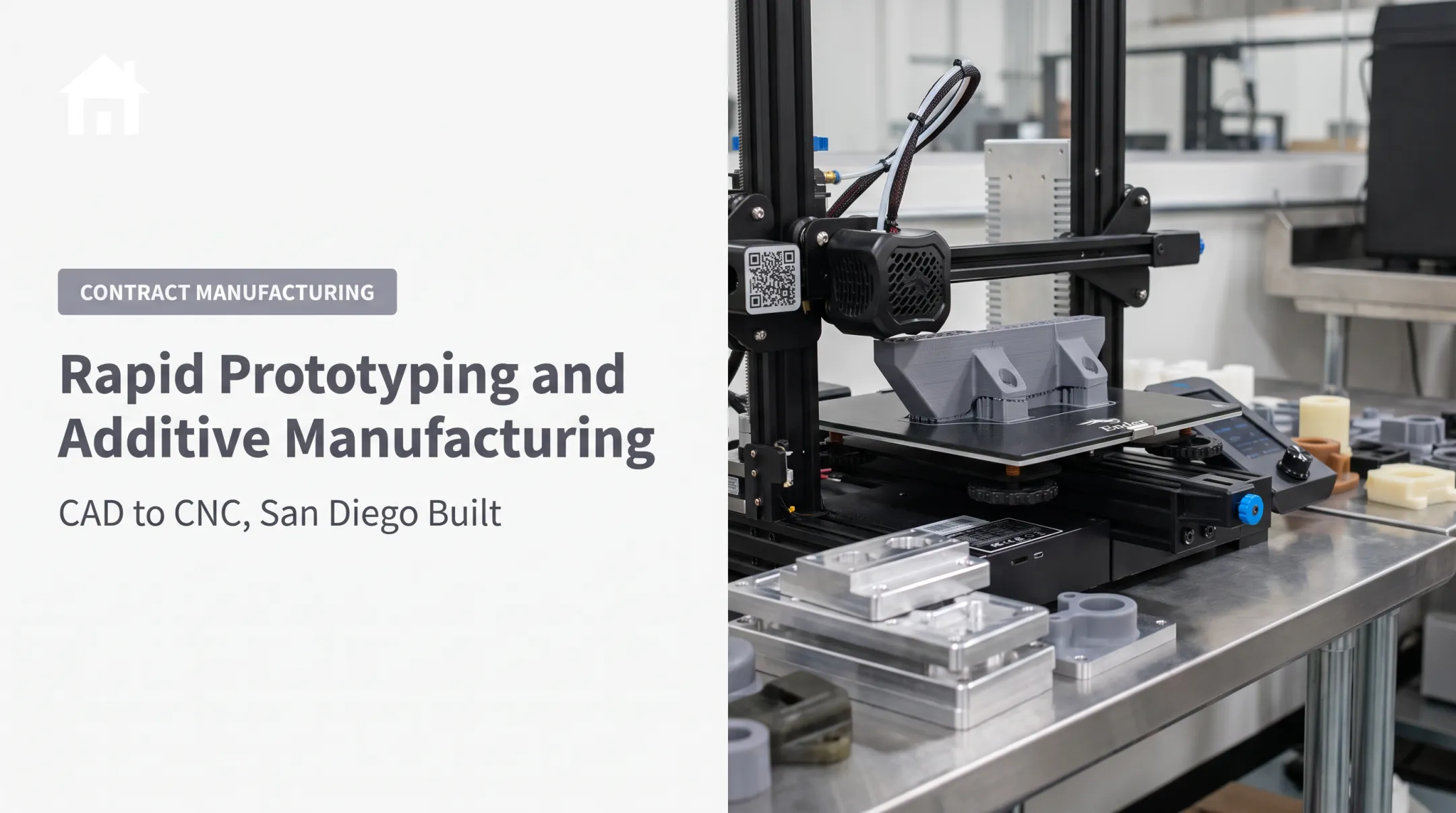
| FDM | Fast, low-cost concept models | Lower surface quality, visible layer lines |
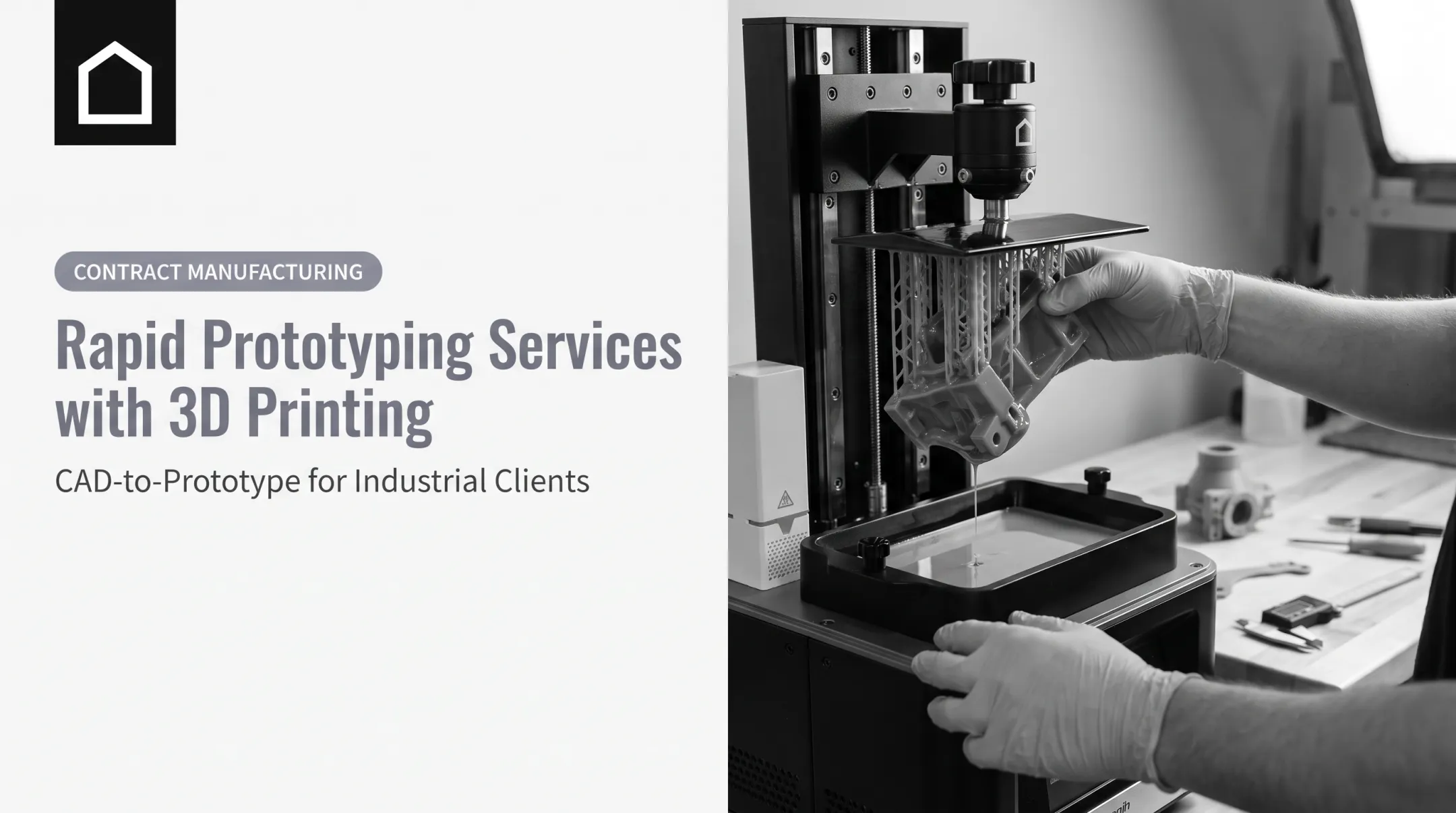
| SLA | Smooth cosmetic parts, flexible components | Can need more post-processing than SLS |
| SLS | Functional parts resembling molded nylon | Powder-bed process limits certain finishes |
| Metal AM (DMLS) | Lightweight, complex internal geometry | Higher cost per part than CNC |
| CNC machining | Tight tolerances, production-grade materials | Limited by cutting-tool accessible geometry |
A real-world example: automotive supplier Brose printed several hundred SLA seat-mat dampeners from existing CAD files in a single week, according to Formlabs.
A related batch of 150 complete seat-suspension test mats combined 900 SLS parts and 450 SLA parts. Teams chose SLS glass-filled nylon because it more closely matched the dimensional accuracy of eventual injection-molded components.
For metal parts, Protolabs points to CNC machining for automotive brackets, enclosures, and gears where tolerance and surface finish matter most. Metal laser printing (DMLS) fits lightweight motorsport or EV components with internal channels a cutting tool can't reach.
Urethane Casting and Rapid Tooling
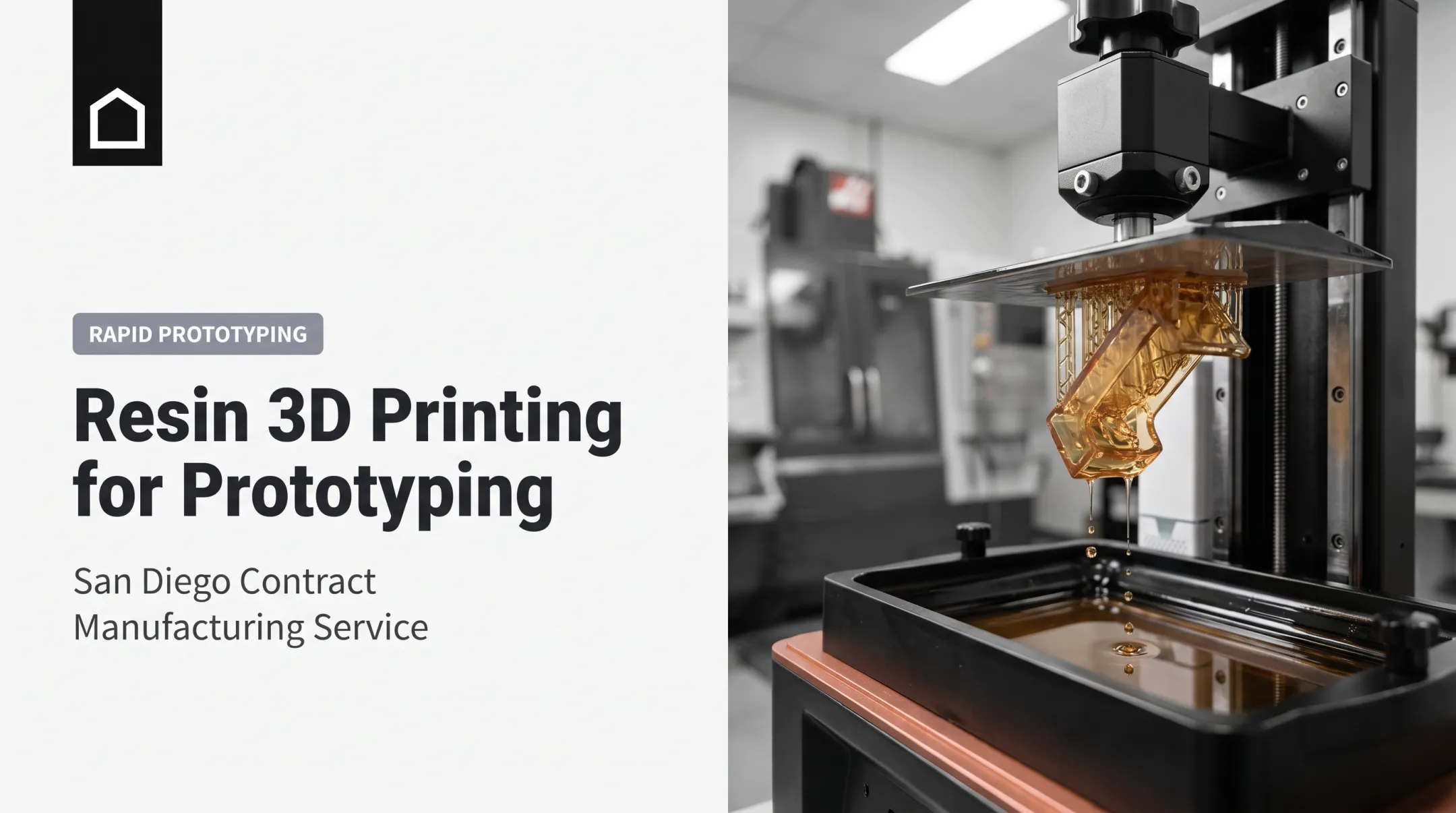
Urethane (vacuum) casting uses a silicone mold built from a master model to produce small batches—such as dashboard panels, knobs, or lighting lenses—with appearance close to the final part.
Finine's urethane casting service positions this step as a bridge between 3D printing and injection molding. It helps when a team needs production-like material behavior without cutting a steel tool.
When volume or validation needs grow, rapid tooling (often aluminum injection molds) lets teams run design-validation parts in production-intent resin before committing to hardened steel. It's a middle step, not a shortcut around full tooling.

The Four Prototype Categories
Process choice also depends on the job the prototype must do. Automotive teams often sort prototypes into four categories:
- Service: Simulates the service experience, like a dealership interaction mock-up
- Experience: Explores how a feature feels in use, such as a touchscreen layout
- Physical: Delivers a tangible mock-up, like a dashboard bezel
- Virtual: Tests driver interfaces in software or VR before hardware exists
The Automotive Prototyping Workflow
Define Requirements First
Before any CAD file opens, lock in: who's testing this, what question needs answering, what material or finish matters, and what quantity you need. Skipping this step is the single most common reason prototypes miss the mark.
CAD and Digital Preparation
This stage includes 3D modeling, design-for-manufacturing review, assembly checks, and tolerance planning. Finine's CAD modeling service refines geometry and flags manufacturability issues—draft angles, wall thickness, and parting lines—before a part ever reaches a machine.
Select a Fabrication Method
Balance these factors against each other:
- Part geometry and size
- Required material properties
- Tolerance and surface finish needs
- Quantity and lead time
- Whether you're validating appearance or function
Fabricate, Finish, and Inspect
Once a method is chosen, the part moves through fabrication (support removal or machining), finishing (sanding or painting), then dimensional inspection and fit checks. Finine's production painting and graphics services typically come in here—after machining, molding, or casting—to apply coatings, decals, or pad printing to finished prototypes.
Test, Iterate, Repeat
- Evaluate the prototype against the original requirement
- Gather feedback from engineers and stakeholders
- Prioritize which changes matter most
- Update the CAD model and produce the next revision
- Maintain a revision history until the design clears its next gate
Quality note: Safety-critical automotive components need engineering validation, qualified lab testing, and regulatory review well beyond a basic prototype demonstration. A printed or machined prototype supports that process. It doesn't replace it.
Finine Design and Manufacturing supports this entire sequence under one roof: CAD modeling, 3D printing, CNC machining, urethane casting, injection molding, and production painting. Teams stay with one partner instead of handing files across multiple vendors at each stage.
Applications and Moving from Prototype to Production
Where Automotive Prototyping Shows Up
Automotive programs use rapid prototyping across exterior, interior, and under-hood work before tooling is locked:
- Exterior and interior trim pieces
- Brackets, housings, and under-hood components
- Dashboards, consoles, and switch panels
- Lighting or sensor enclosures
- Ergonomic components like handles and grips
- Custom fixtures and replacement parts
- Concept vehicles and in-car interface mock-ups
Deciding When a Prototype Is Ready to Progress
A prototype earns its move toward production when it clears several checks at once:
- Design has stabilized through multiple iterations
- Test results match defined requirements
- Material behaves as needed under real conditions
- Dimensions hold up under inspection
- Manufacturability has been reviewed, not assumed
- Tooling and documentation are ready for handoff
Once those checks pass, the partner you choose decides how clean the jump to production tooling will be.
Choosing a Prototyping Partner
Before committing to a manufacturing partner, check for:
- Process range: 3D printing, CNC, casting, and molding under one roof
- Engineering communication: a direct point of contact, not a ticket queue
- Material and finish options: finishes and resins that match production intent
- Inspection practices: documented methods, not verbal assurances
- Multi-stage support: ability to carry work from concept through production tooling
That last point is where fewer handoffs matter. Finine Design and Manufacturing covers CAD modeling through injection molding and production painting in one workflow, which can reduce vendor switches between prototype stages. Still, confirm capabilities, lead times, and quality documentation for your program before you commit.
Frequently Asked Questions
How much does a prototype car cost?
Cost varies widely based on scale, materials, fabrication method, finishing level, number of iterations, and whether tooling or a drivable vehicle is involved. A project-specific quote is more reliable than any general estimate.
What is rapid prototyping?
Rapid prototyping is the accelerated creation and testing of digital or physical models before production. Methods like CAD, 3D printing, CNC machining, casting, and rapid tooling validate a design faster than traditional development allows.
What are the four types of prototypes?
Service, experience, physical, and virtual. A service prototype might simulate a dealership interaction; a virtual one could test a touchscreen interface in software before any hardware exists.
What is a car prototype called?
Terminology depends on development stage: concept car, prototype vehicle, development vehicle, engineering prototype, mule, or production-intent prototype. Each term reflects how close the build is to final production.
Which rapid prototyping method is best for automotive parts?
It depends on the part's material, geometry, tolerance, finish, and test objective. 3D printing suits fast concept checks, CNC machining suits tight tolerances, and casting or injection molding suits production-representative material testing.
How does automotive prototyping reduce development risk?
Prototypes surface design, fit, usability, and manufacturing problems before tooling is committed. They support engineering validation and regulatory compliance, but they don't replace formal safety testing or certification processes.