
Introduction
Is urethane a plastic, a rubber, or something else entirely? If you've spent any time sourcing custom parts, you've probably hit this wall.
The terms get used interchangeably in spec sheets, supplier quotes, and engineering conversations, which makes material selection harder than it should be.
Here's the short version: "urethane" and "polyurethane" usually mean the same thing in manufacturing. But polyurethane isn't one material. It's a family of formulations that can be soft and stretchy or hard and rigid, depending on chemistry and processing.
This article breaks down the terminology, compares urethane to rubber and conventional plastics, covers the properties that actually matter for part performance, and walks through how to evaluate urethane for your project.
Key Takeaways
- Polyurethane is a material family spanning flexible elastomers, rigid castings, foams, coatings, adhesives, and molded parts.
- Urethane often outperforms standard plastics and rubber on abrasion resistance, impact absorption, and complex geometries.
- Formulation, hardness, processing method, and service environment drive performance more than the material name alone.
- Material testing and manufacturing planning matter most in medical, military, and automotive applications.
What Is Urethane Plastic and Polyurethane?
Polyurethane forms through a chemical reaction between isocyanates and polyols. That reaction creates a urethane linkage, a specific chemical bond. Over time, "urethane" became shorthand for the finished polymer itself, not just the bond, which is why the names get used interchangeably.
Depending on the polyol structure, the amount of cross-linking, and how it's processed, polyurethane can show up as:
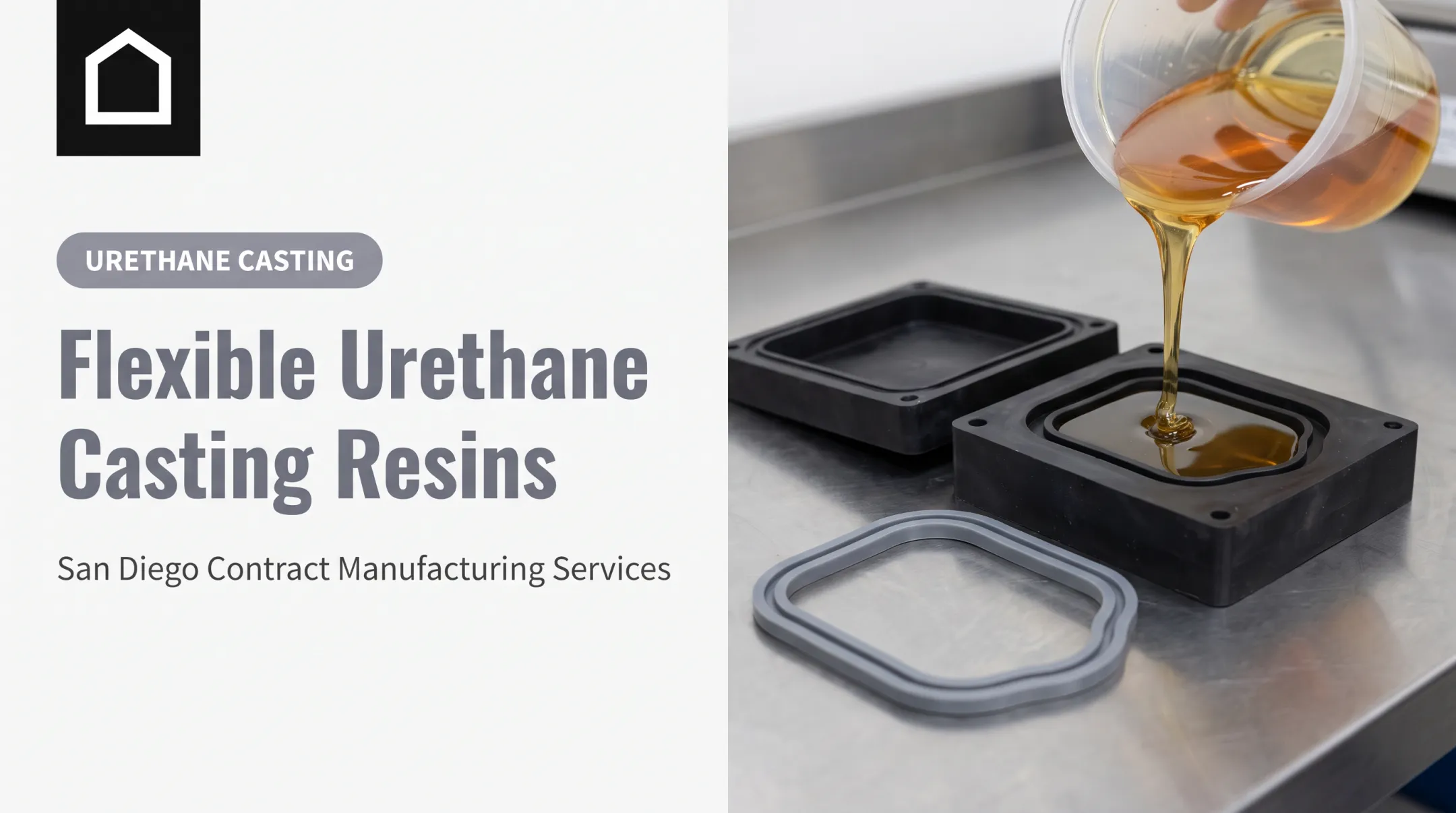
- A flexible, rubber-like elastomer
- A rigid, plastic-like casting resin
- Flexible or structural foam
- A protective coating, sealant, or adhesive
Same base chemistry; very different end materials—something many first-time buyers do not expect.
Thermoplastic vs. Thermoset Polyurethane
This distinction affects everything downstream: molding, machining, repair, and disposal.
- Thermoplastic polyurethane (TPU) can be melted and reprocessed, which supports injection molding and extrusion, according to PSI Urethanes.
- Thermoset polyurethane forms permanent cross-linked bonds during curing. It won't melt and reform the way TPU does.
A TPU part can theoretically be reground and reprocessed. A cured thermoset part is locked into its final shape.

Recycled-content polyurethane exists for some industrial and automotive uses. That is not the same as melting down every cured part for reuse at end of life.
Finished, cured parts also differ from uncured isocyanate components on handling and exposure. For application-specific hazards, use the product Safety Data Sheet—not general web copy, including this article.
Is Urethane Plastic, Rubber, or Something Different?
Polyurethane is its own polymer family. But depending on formulation, a given urethane grade can behave like a plastic, like a rubber, or somewhere in between. There's no single answer that covers every grade.
Urethane vs. Conventional Plastics
Compared to materials like ABS, nylon, PVC, or polyethylene, urethane often brings:
- Higher abrasion resistance in wear applications
- Better impact absorption, especially at lower durometers
- More flexibility without sacrificing load capacity
- Complex geometries through casting or molding
But conventional plastics still win on cost at high volumes, dimensional stability in tight-tolerance applications, and familiarity for engineers who've specified them for decades.
A Port of Santos grain-handling case documented by Haver & Boecker Niagara found polyurethane transfer-chute liners held up with minimal wear while UHMW-polyethylene liners in the same chute showed significant grooving over the same period. That's one application, not a blanket verdict against polyethylene.
Urethane vs. Rubber
Cast urethane competes directly with natural and synthetic rubber in gaskets, rollers, and wear parts. It tends to offer:
- Better tear and abrasion resistance
- Higher load-bearing capacity at similar flexibility
- More consistent molding for complex shapes
Rubber can still be the better call for extreme cold flexibility, very low cost at scale, or specific chemical exposure where a particular rubber compound has an established track record.
Durometer Doesn't Tell the Whole Story
Hardness gets measured on the Shore A and Shore D scales under ASTM D2240. But ASTM's own standard notes that durometer readings depend on elastic modulus and viscoelastic behavior — and there's no simple conversion between scales or fundamental material properties.
In plain terms: two urethanes with the same Shore rating can behave differently under real load, impact, or temperature. Hardness is a starting point for comparison, not a performance guarantee.
There's no universally better material here. The right choice depends on operating environment, expected service life, production volume, cost target, and any regulatory standards that apply.

Properties, Types, and Common Applications
Engineers evaluating urethane typically look at a specific set of properties:
- Tensile and tear strength
- Abrasion and impact resistance
- Elasticity and compression set
- Chemical and oil resistance
- Temperature range and moisture exposure
- Electrical behavior and dimensional stability
Formulation changes shift these properties dramatically. The same base chemistry can yield a flexible seal, a rigid casting, a structural foam, or a protective coating — just by adjusting the polyol type, cross-link density, or additive package.
How Properties Translate Into Applications
Grouping applications by function makes the comparison easier:
- Wear components: rollers, wheels, liners — where abrasion resistance and load capacity matter most
- Protective components: bumpers, coatings, impact pads — where energy absorption is the priority
- Sealing components: gaskets, O-rings — where compression set and chemical resistance drive the spec
- Cushioning/insulating products: foams and padding — where flexibility and weight matter more than rigidity
Finine Design produces urethane cast parts for automotive, military, and consumer electronics programs, with resin hardness, color, and fill specified per project rather than pulled from a single stock resin.
The company also has dental and orthopedic product experience. Producing a part for these industries does not automatically clear it for implantable or regulated medical use. That determination depends on the specific device, its intended use, and the applicable regulatory pathway.
How to Choose and Manufacture a Urethane Part
Before locking in a urethane formulation, run through a practical checklist:
- Mechanical demands — load, impact, abrasion, flexibility, hardness
- Environmental exposure — temperature range, chemicals, moisture, UV
- Dimensional needs — tolerances, surface finish, color matching
- Design details — inserts, secondary operations, assembly requirements
- Production volume — prototype run, bridge production, or full-scale manufacturing
That last point shapes the entire process decision.
Matching Process to Volume
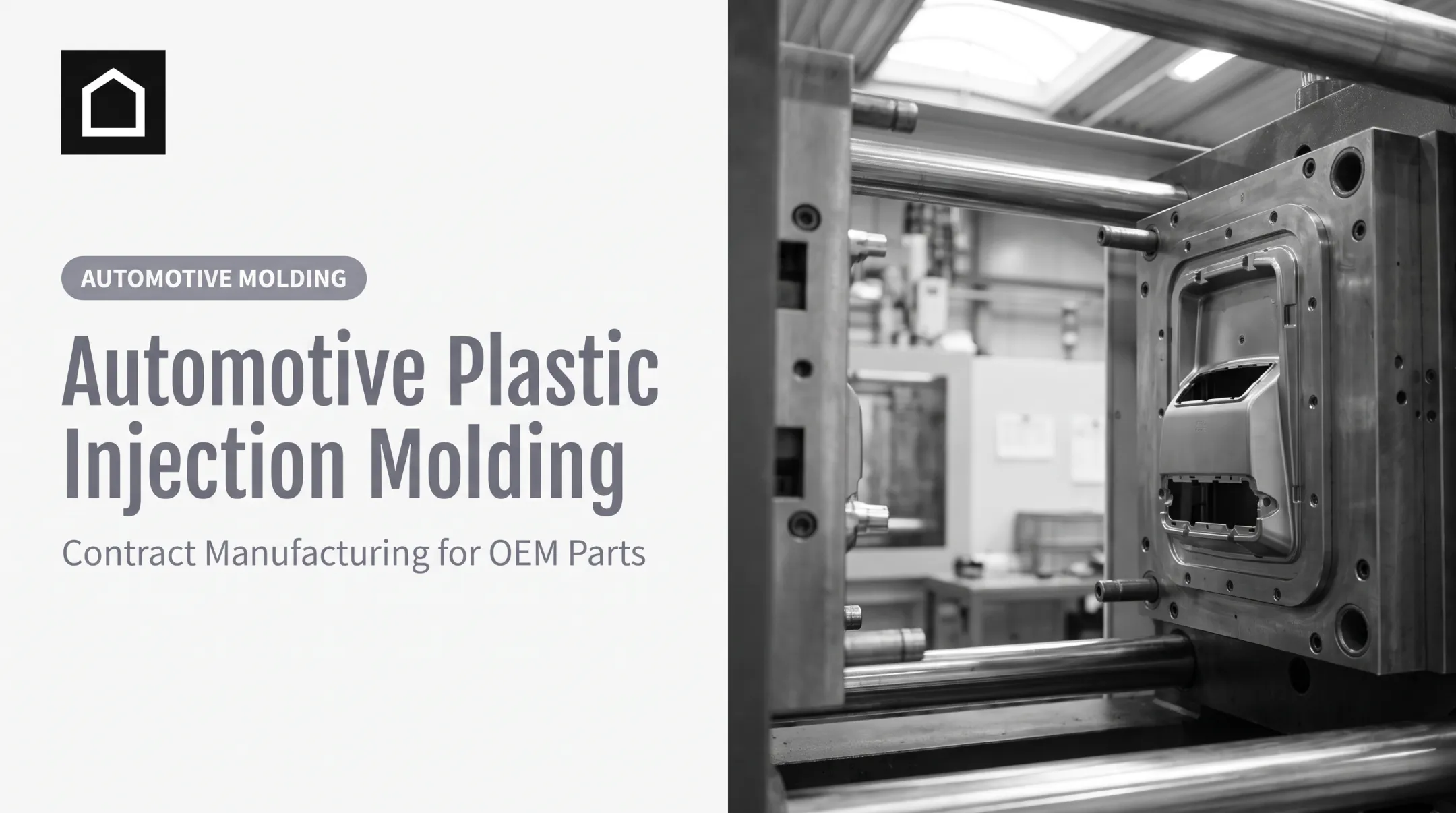
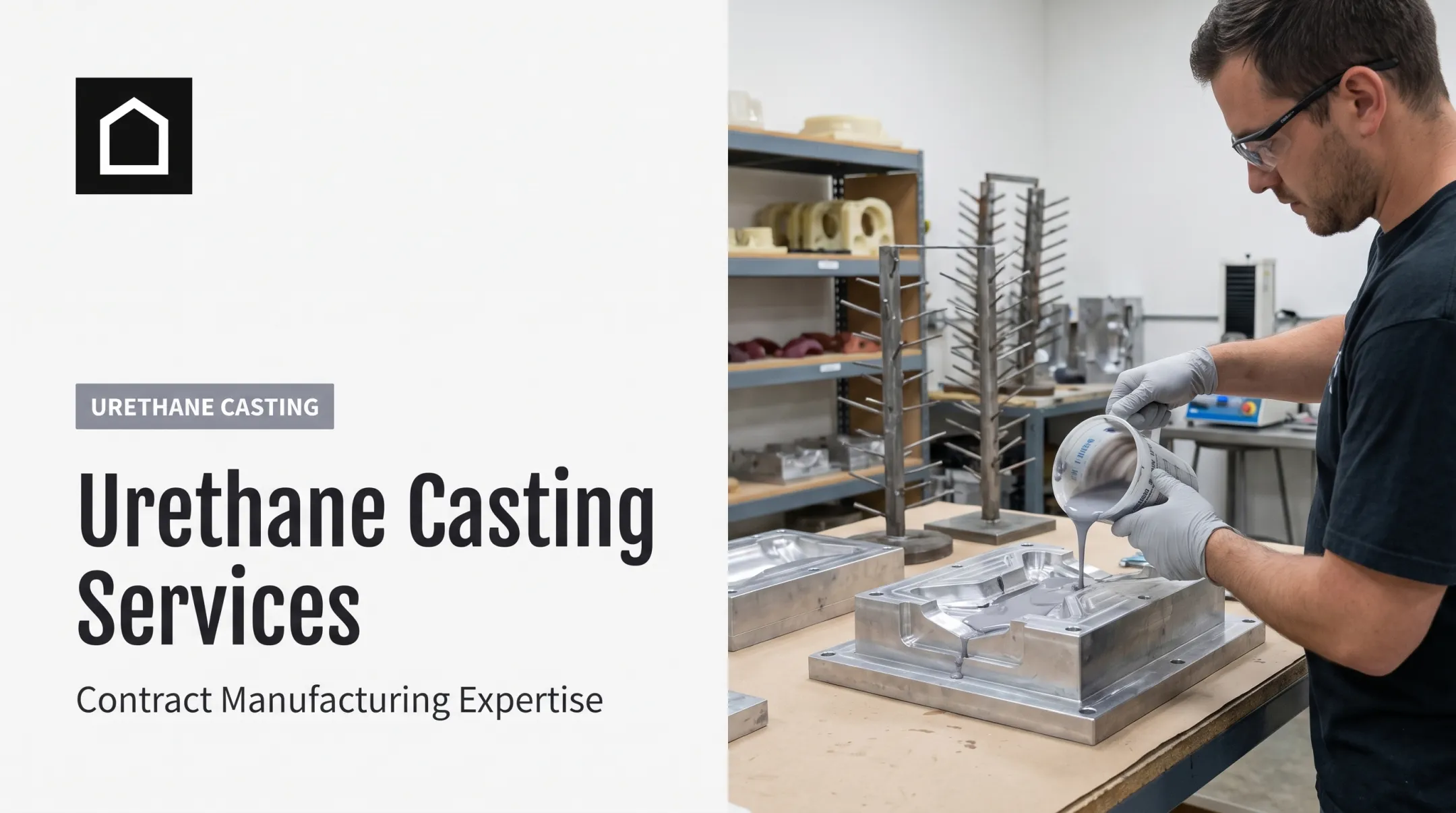
Urethane casting works well for prototypes and lower-volume parts, using CAD-based, 3D-printed masters and silicone tooling to keep upfront costs down for shorter runs. Injection molding becomes more economical at higher, repeatable volumes, once tooling costs get spread across more parts.
The break-even point between the two isn't fixed. It depends on part geometry, material, tooling complexity, and annual demand — so it's worth verifying with an engineer rather than assuming a round number applies to your part.

Finine Design and Manufacturing supports both ends of that spectrum. The company's prototype-to-bridge-to-production lifecycle covers CAD modeling, 3D printing, CNC machining, urethane casting, injection molding, and production painting, all delivered under one roof at its San Diego facility.
Resin grade, hardness, and any flame-resistance, skin-contact, or environmental requirements get specified and agreed on before production starts. Dimensional tolerances are confirmed against the part drawing rather than assumed from a generic spec sheet.
That setup makes it easier to move from an early fit-check prototype to a production-representative part without changing vendors mid-project, which is particularly useful for automotive, military, and medical-adjacent programs where documentation and consistency carry real weight.
Conclusion
Urethane is a versatile polymer family. Formulators tune it for plastic-like rigidity in one job and rubber-like flexibility in the next.
Compare candidate formulations against your operating conditions, testing requirements, regulatory obligations, and manufacturing goals before you commit to production. A short conversation with Finine Design and Manufacturing on resin grade, hardness, and process fit will save more time than guessing upfront.
Frequently Asked Questions
Is urethane rubber or plastic?
"Urethane" is commonly used as shorthand for polyurethane, a polymer family that includes both rubber-like elastomers and rigid, plastic-like materials. The specific formulation, not the name, determines which way it behaves.
Is urethane toxic to humans?
Uncured isocyanate components carry exposure risks during manufacturing, while fully cured polyurethane is non-toxic for most uses unless heated, burned, or abraded. Always check the product-specific SDS and applicable regulatory guidance for your exact material.
Does polyurethane release microplastics?
Wear, abrasion, formulation, and disposal conditions all affect particle release, and research in this area is still developing. Review product-specific environmental data rather than assuming a single answer applies across all polyurethane grades.
Which is better, urethane or polyurethane?
They're typically the same thing: "urethane" is industry shorthand for polyurethane. The real comparison comes down to exact formulation, hardness, manufacturing process, and what your application actually requires.