
This article breaks down what orthopaedic implants actually are, the most common types, the materials engineers choose and why, and what can go wrong. We'll also cover what companies developing implants, sales models, or educational products should look for in a manufacturing partner.
Key Takeaways
- Orthopedic implants repair or replace bones, joints, and cartilage using materials like titanium, cobalt-chrome, and polyethylene
- Screws, plates, nails, and hip/knee prostheses remain the most widely used implant types
- Over 90% of modern total knee replacements still function well at 15 years
- Material choice and manufacturing precision directly shape patient safety and product longevity
What Is an Orthopaedic Implant?
What Is an Orthopedic Implant?
An orthopedic implant is a device designed to repair, support, or replace damaged bone, joint, or connective tissue. The FDA classifies devices like bone-fixation fasteners as products that connect bones or bone fragments together.
These devices fall into two broad categories:
- Trauma fixation devices — screws, plates, and nails that stabilize fractures while bone heals
- Arthroplasty devices — full joint replacement systems for hips, knees, and shoulders
There's no single national count covering every implant type, but the anchors are telling. AHRQ recorded 455,500 spine fusions in 2018 alone, based on inpatient hospital data reviewed in 2021 (AHRQ).
Temporary vs. permanent isn't always clean-cut. AAOS notes that plates and screws may stay in place indefinitely or be removed later, depending on healing and symptoms. Wires and pins are usually taken out after a period, but sometimes remain for good. The decision rests on the surgeon's judgment, not a fixed rule.
Most Common Types of Orthopaedic Implants
Joint Replacement Prostheses
Hip, knee, and shoulder replacements mimic natural joint movement using metal, ceramic, and polyethylene components. A 2021 JBJS analysis estimated 823,361 people were living with a shoulder replacement in the U.S. in 2017, with 10,290 revision procedures that same year — though that figure reflects prevalence, not annual surgery counts.

Fracture Fixation Hardware
- Screws — used alone or paired with plates, rods, or nails
- Plates — act as internal splints attached with screws
- Intramedullary nails — inserted through the hollow center of long bones to prevent shortening or rotation
Spinal Implants
Rods, cages, and pedicle screws stabilize the spine during fusion surgery, sharing load until the bone heals solidly. These systems typically remain permanently once fusion is achieved.
Sports Medicine Implants
Suture anchors attach tendons or ligaments to bone, while interference screws fix grafts during ACL reconstruction. Both bioabsorbable and metallic options are common, and research hasn't crowned one universally superior.
The Dental Connection
Dental implants share strikingly similar materials and manufacturing methods with orthopaedic devices — think titanium bodies, precision machining, and biocompatibility testing. This overlap is why Finine Design and Manufacturing develops products across both dental and orthopedic lines, applying shared manufacturing expertise to sales and educational device programs in each field.
Materials and Manufacturing Considerations
Material choice is a trade-off, not a hierarchy.
| Material | Strengths | Trade-offs |
|---|---|---|
| Titanium alloys | Corrosion-resistant, lower stiffness | Less wear-resistant than cobalt-chrome |
| Cobalt-chrome | Highly polishable, wear-resistant | Hard to machine, contains nickel |
| Stainless steel | Rigid, corrosion-resistant | Possible nickel allergy |
| Polyethylene (UHMWPE) | Common joint bearing surface | Can wear over time |
| Ceramics | Excellent wear properties | Brittle, can cause squeaking |

Material selection affects biocompatibility, durability, and even MRI compatibility — a factor that matters long after the surgery ends.
Why Precision Manufacturing Matters
Fit and safety hinge on process control. CNC machining delivers tight tolerances for engineering-grade materials. Casting and forging remain reliable conventional routes. 3D printing enables complex geometries, but it can introduce porosity or residual stress that requires post-processing to correct, per FDA's additive manufacturing guidance.
For companies developing orthopedic sales models, educational tools, or early-stage device concepts, the manufacturing pipeline looks like this:
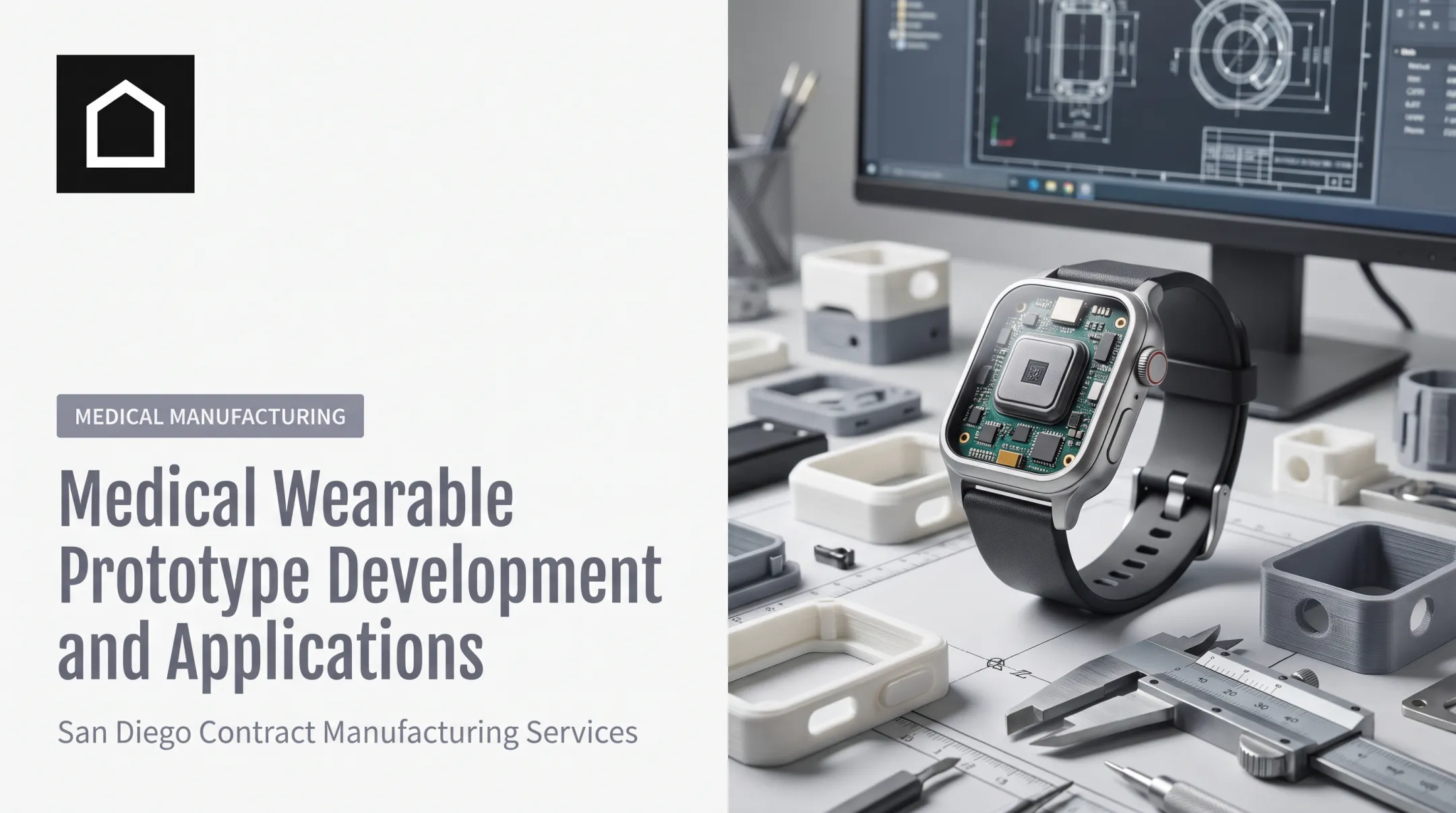
- CAD modeling: converting concepts or scans into manufacturable digital files
- 3D printing: rapid iteration on complex geometries before tooling
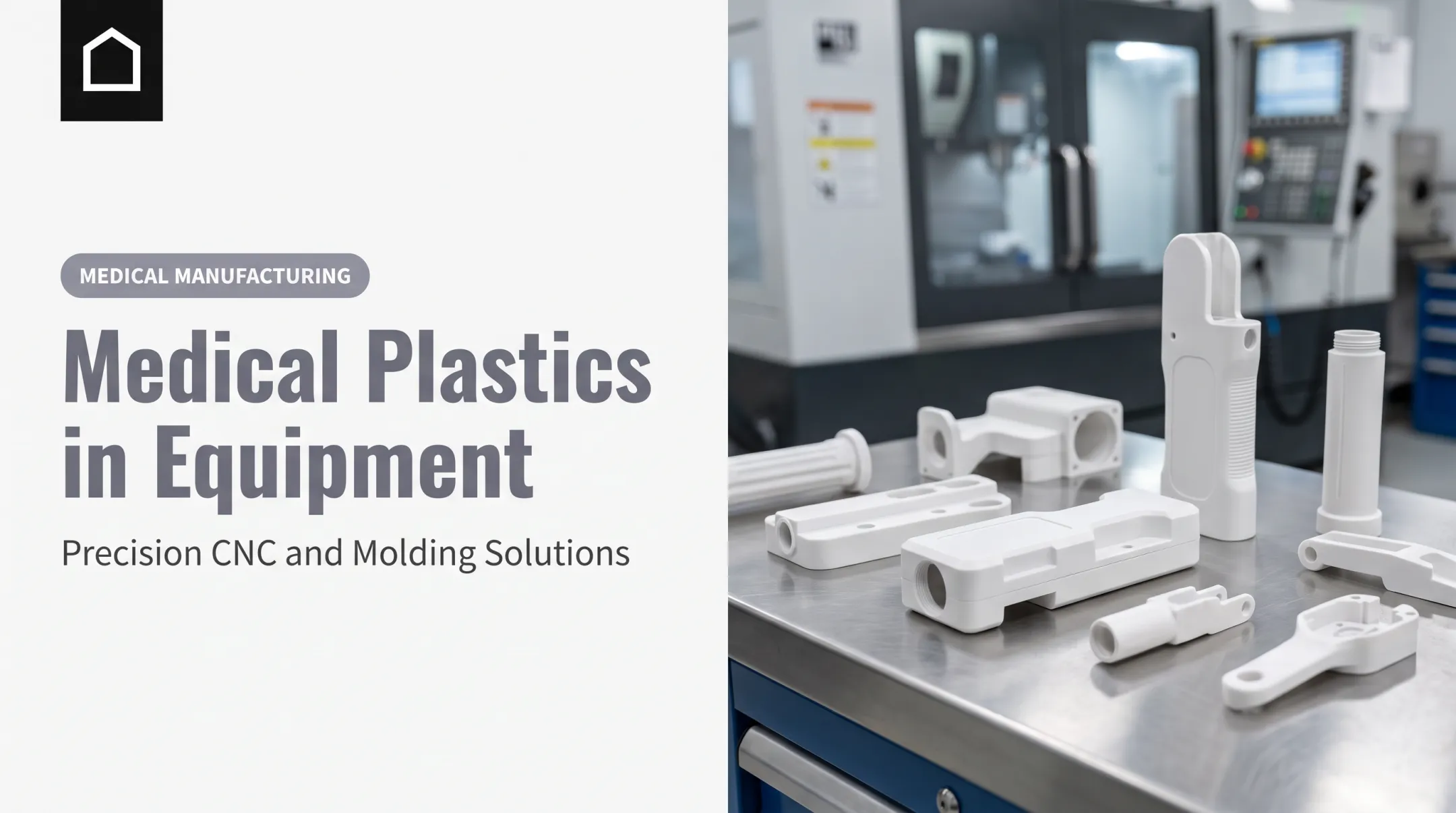
- CNC machining: tight-tolerance prototypes and low-volume parts
- Urethane casting: bridges prototyping and full production
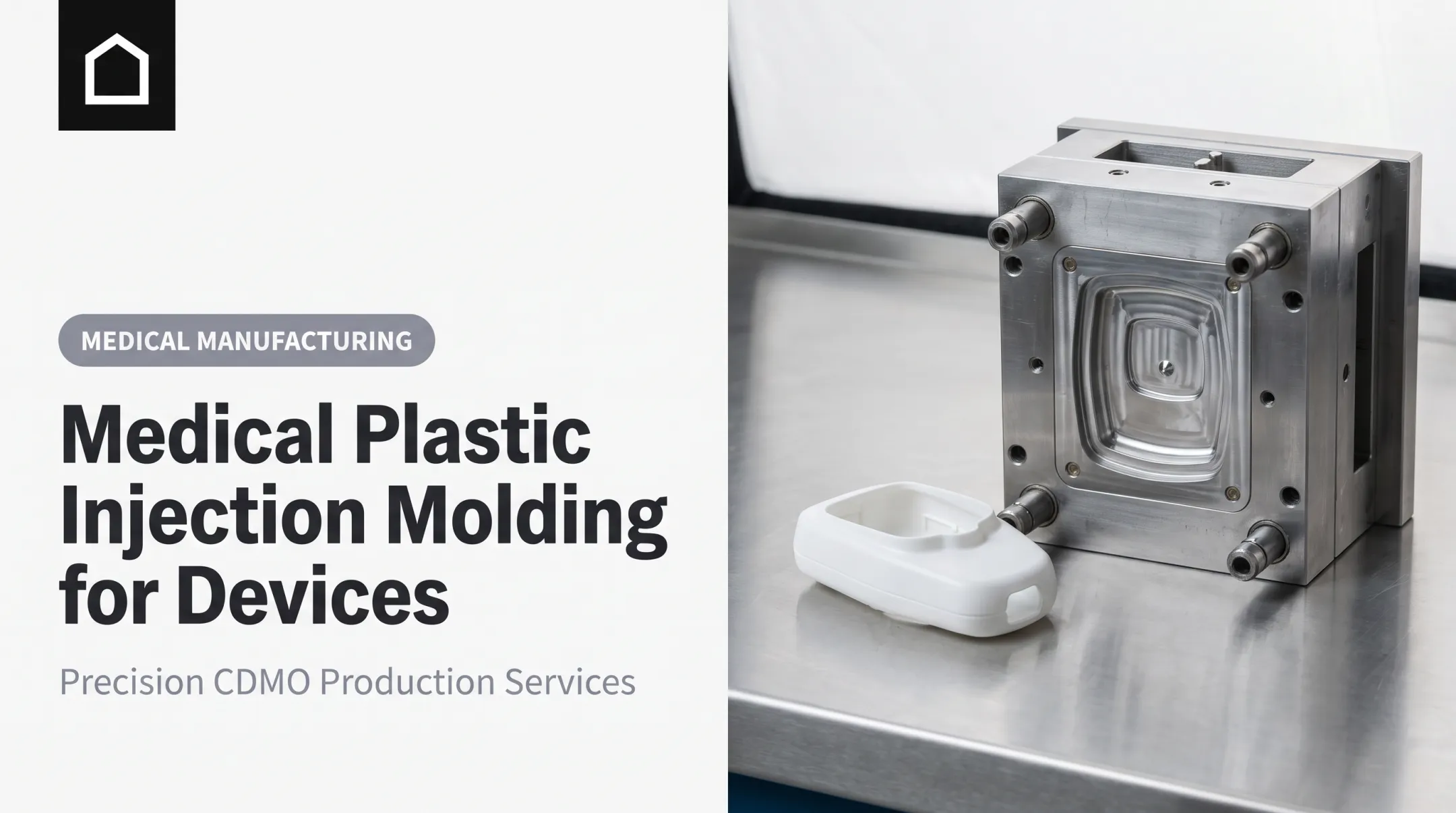
- Injection molding: scales validated designs into higher-volume runs
- Production painting and graphic finishing: creates presentation-ready sales and educational models

Finine Design and Manufacturing, based in San Diego, offers this full sequence in-house. That matters for teams building orthopedic sales tools or educational demonstrations who need speed without juggling five different vendors.
Safety, Risks, and Living With an Implant
Recognizing Complications
Persistent pain that doesn't change with activity, swelling, redness at the incision, fatigue, or fever are traditional infection warning signs, according to AAOS. Metal hypersensitivity can also cause local dermatitis or lingering discomfort. None of these symptoms alone confirms "rejection" — infection, loosening, wear, and nerve irritation can all overlap.
Why Ankle Hardware Gets Painful
Ankle and lower-leg hardware sits close to the skin with minimal soft-tissue padding. Common culprits include:
- Hardware prominence irritating surrounding tissue
- Loosening over time
- Low-grade infection
- Nerve impingement near the implant site
MRI Compatibility
Most modern titanium implants are labeled MR Conditional or MR Safe, meaning they're compatible under specific scan conditions. Older or ferromagnetic hardware may need extra precautions. Patients should always tell the MRI team the exact implant manufacturer and model before scanning.
Is Removal Less Painful Than the Original Surgery?
Generally, yes — but not universally. A 2016 study of ankle hardware removal found average pain scores dropped from 3.4 to 1.3 post-removal, with 80.8% patient satisfaction. Still, removal carries its own risks: infection, nerve injury, and occasional screw breakage during extraction.

Frequently Asked Questions
What are the common symptoms of orthopedic hardware rejection?
Persistent pain, swelling, redness, and reduced mobility near the implant site are common signs. These symptoms can also indicate infection or loosening, so clinical evaluation is necessary to pinpoint the cause.
What causes painful orthopedic hardware in the ankle?
Hardware irritation, loosening, low-grade infection, or nerve impingement are the most frequent causes. The ankle's thin soft-tissue coverage makes hardware prominence especially noticeable.
How painful is orthopedic implant removal?
Studies show average pain scores drop significantly after removal, often from moderate to mild. Recovery is generally shorter than the original surgery, though results vary by patient and implant location.
Can you get an MRI with orthopedic implants?
Most modern titanium implants are MRI-safe or MR Conditional. Always tell the imaging team your implant's exact manufacturer and model so they can confirm safe scan settings.
What is an orthopedic implant?
It's a device designed to repair, support, or replace damaged bone, joint, or soft tissue. Common categories include trauma fixation hardware and joint replacement prostheses.
What are the most common orthopedic implants?
Screws, plates, intramedullary nails, and hip or knee replacement prostheses are used most frequently across U.S. orthopaedic procedures.
Whether you're developing a new fixation device, building a sales demonstration model, or creating educational tools for surgeons, the manufacturing partner you choose shapes how fast, and how well, your product reaches market. Finine Design and Manufacturing brings CAD modeling, prototyping, and production finishing together under one San Diego roof, built specifically around the pace that dental and orthopedic product development demands.