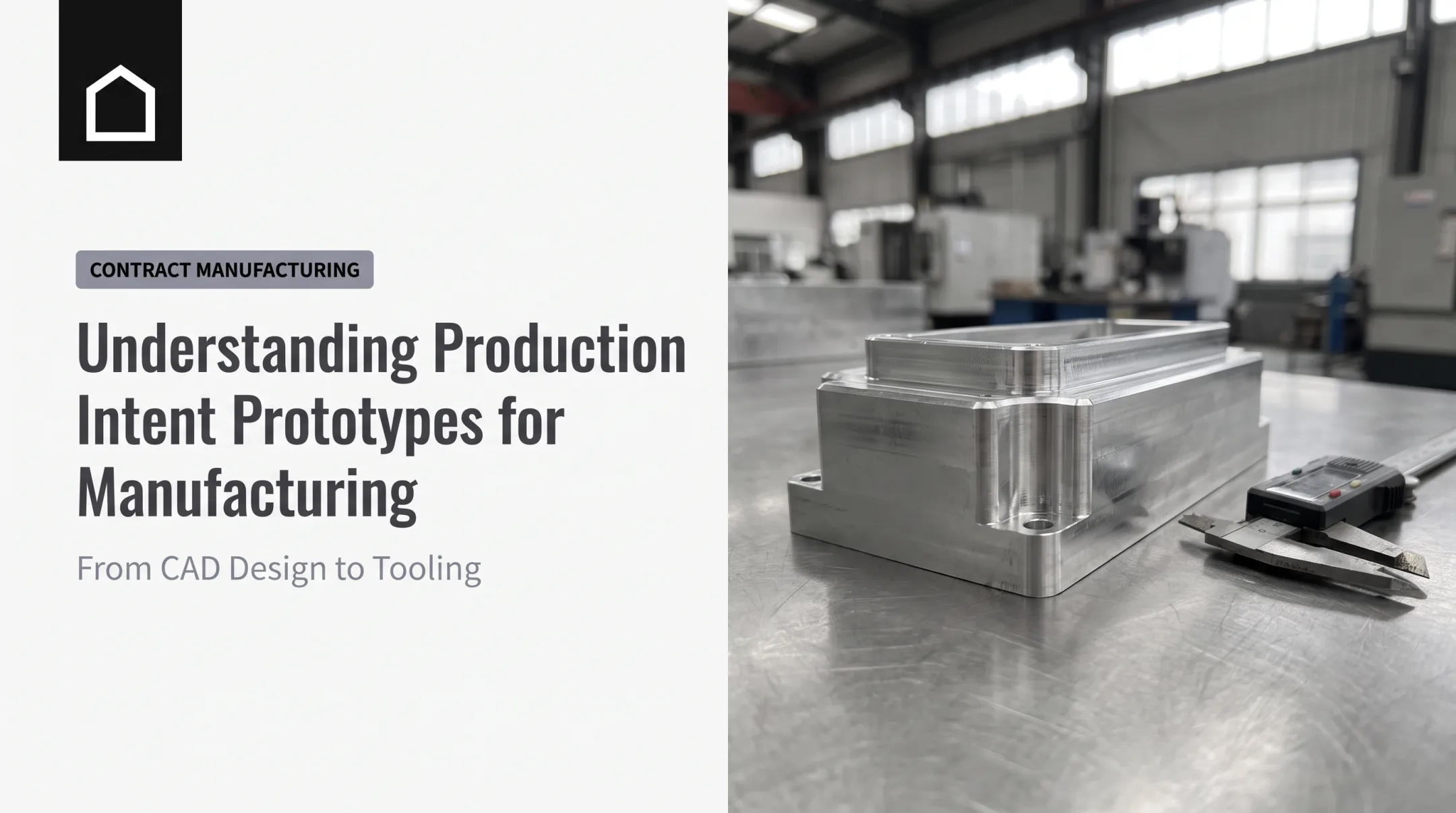

Getting from a CAD file to a functional, testable part is where a lot of good product ideas stall. Engineering teams need parts that behave like the real thing, not just look like it, and they need them fast. Many teams struggle with this exact gap. A 3D-printed model looks right on the shelf but cracks under load. A supplier quotes six weeks when you have six days. For regulated industries like devices and defense, the stakes are even higher: a part has to hold up to functional testing, material traceability, and documentation requirements before it ever reaches production. Prototype machining exists to close that gap. It's the bridge between a design file and a part you can actually test, stress, and validate before committing to tooling. This guide covers what prototype machining actually is, how the process works step by step, and how to pick a manufacturing partner that won't slow you down.
Key Takeaways
- CNC subtractive machining delivers production-intent parts ready for real-world testing and validation
- Your best method (CNC, 3D printing, or urethane casting) depends entirely on what the prototype needs to prove
- A full-service manufacturer cuts vendor complexity and shortens time-to-market
- Regulated industries like defense and dental/orthopedic work need partners with specialized precision and compliance expertise
What Is Prototype Machining and What Is a Machining Manufacturer?
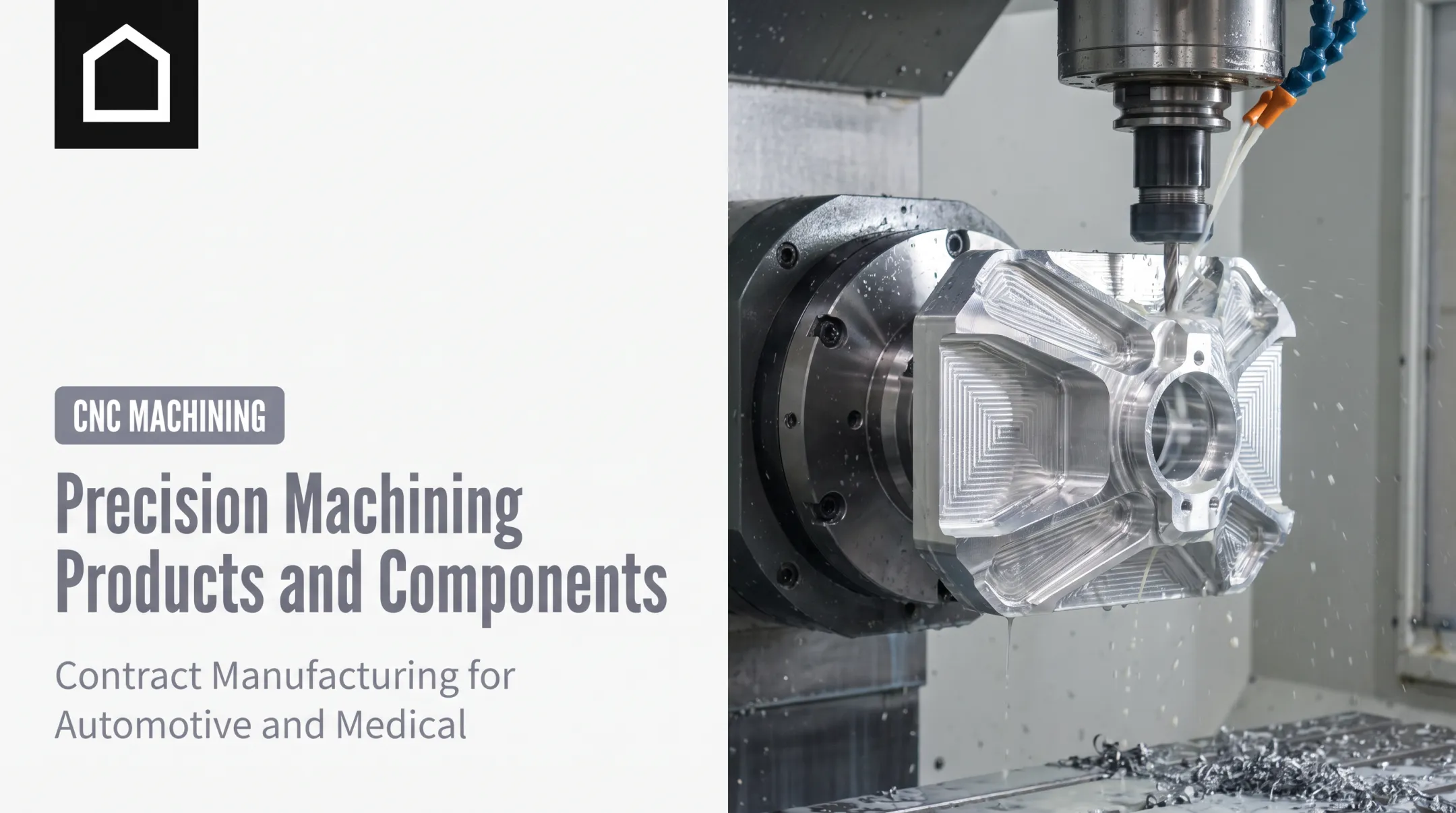
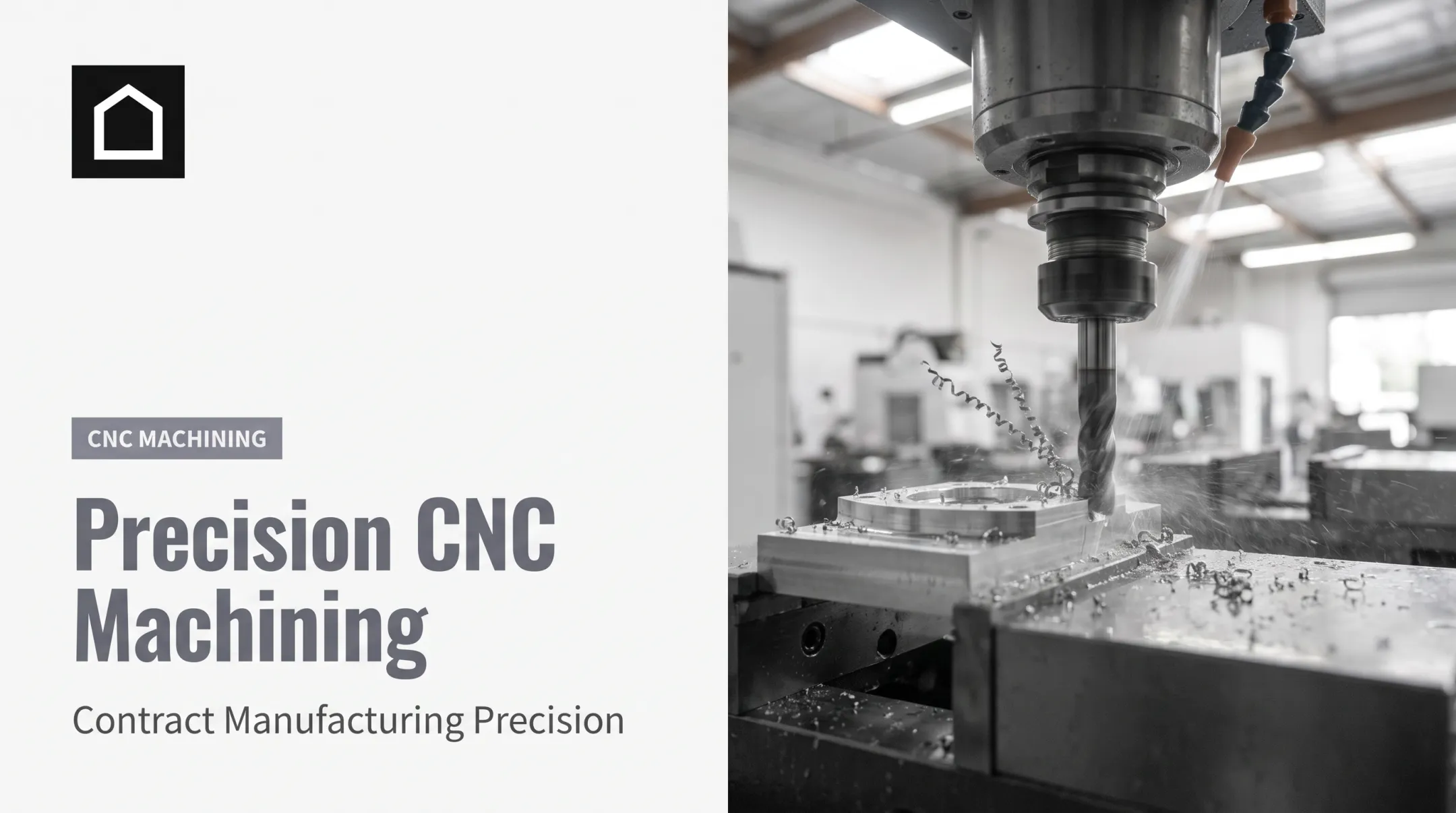
Prototype machining is CNC (computer numerical control) subtractive manufacturing used to produce one-off or low-volume parts from production-grade materials for engineering validation. Instead of building a part up layer by layer, a machine removes material from a solid block. Rotating cutting tools, guided by a CAD-derived program, shape the part to its final geometry. NIST describes precision machining as manufacturing parts repeatedly to specified tolerances through material removal — and notes it delivers higher dimensional accuracy and surface finish than casting or forming alone, all while supporting fast, small-batch runs (NIST, 1995). A machining manufacturer is a company that owns and runs CNC equipment, mills and lathes, to turn CAD designs into physical parts. Many, including Finine Design and Manufacturing, support both early prototyping and full-scale production under one roof. That dual capability matters because prototype and production parts serve different goals:
Prototype vs. Production Part
Prototype: Validation-focused, near-term, built to test fit, function, or performance before committing to tooling
Production part: Long-term, scaled manufacturing, optimized for repeatability and unit cost Prototype machining shows up wherever engineers need real answers before tooling spend locks in, including:
Automotive
Consumer electronics
Military and defense
Device development
How Does the Prototype Machining Process Work?
Design Intake and DFM Review
The process starts with design intake and a Design-for-Manufacturability (DFM) review. The goal is to catch machining risks on paper before any metal is cut. Common issues flagged early include:
- Tool-access limits that block clean cutter paths
- Walls too thin to machine without vibration or warping
- Holes deeper than standard drills can hold accurately Hubs recommends minimum wall thicknesses of 0.8 mm for metals and 1.5 mm for plastics (Hubs DFM guide). Fixing these constraints in CAD is far cheaper than scrapping a finished part.
Material Sourcing and Selection
Material choice follows the part’s end-use demands—load, temperature, chemical exposure, or biocompatibility. Typical prototype stock includes:
- 6061 aluminum for strength-to-weight and fast machinability
- Stainless steel for corrosion resistance and structural durability
- Engineering plastics such as Delrin or PEEK for wear, insulation, or clinical-adjacent needs
CNC Programming, Fixturing, and Machining
A CAD model becomes toolpaths, then G-code, which drives the machine's tool changes, speeds, and movements (Mastercam). Fixturing locks the part in place; 5-axis setups can reduce how often a part needs to be repositioned, which cuts both time and error risk.
Inspection and Quality Verification
Once machining is complete, the team verifies critical dimensions, feature locations, and surface requirements against the drawing. Industry-standard GD&T interpretation follows ASME Y14.5, the reference for tolerancing symbols and requirements (ASME).

The Iteration Loop Speed in prototyping depends on how quickly inspection findings become the next design revision.
Findings from one round should feed directly into refinements for the next. Keeping design and machining under one roof—as Finine Design and Manufacturing does with in-house CAD modeling and CNC machining—removes the handoff delays that come from bouncing files between separate vendors. Once a prototype is validated, the same workflow can move into urethane casting, injection molding, or production painting for scale-up, without starting over with a new supplier.
CNC Machining vs. Other Prototyping Methods:
Choosing the Right Approach Not every prototype needs the same process. The right call depends on what you're trying to prove.
- CNC machining fits when you need tight tolerances, functional or load testing, and production-grade materials
- 3D printing works better for complex internal geometry, fast visual iterations, and lower cost per unit
- Urethane casting bridges the gap for low-to-mid volume runs (roughly 5-50 units) in flexible or rigid polymers, before injection tooling is justified
| Method | Typical Tolerance | Lead Time | Best For | CNC machining | ±0.005 in standard; ±0.002 in precision (Protolabs) | ~3 days standard | Functional testing, load-bearing parts | 3D printing (SLA) | ±0.002 in for the first inch, plus 0.1% of nominal size | 3–6 days | Visual iteration, complex geometry | Urethane casting | ±0.010–0.020 in per inch, provider-dependent (Fictiv) | 2–4 weeks | Production-representative plastic parts, short runs | | --- | --- | --- | --- |

Finine Design and Manufacturing offers all three and helps clients choose by geometry, material, quantity, application, schedule, and budget—not a one-size-fits-all default.
Industries That Rely on Precision Prototype Machining Different industries push prototype machining in different directions.
- Automotive: Functional testing of brackets, housings, and mechanical assemblies where fit and load performance matter before tooling commitments
- Military and defense: Strict material traceability and durability testing; technical data handling often falls under ITAR requirements defined in 22 CFR 120.33
- Consumer electronics: Enclosures, housings, and fit-check components that need to look and feel finished during iteration
- Dental and orthopedic devices: Tight tolerances and biocompatible materials under FDA design controls for Class II and Class III devices (FDA)

Dental and orthopedic prototyping is a specialized niche. Finine Design and Manufacturing has deep expertise here, supporting dental and orthopedic sales and educational product development alongside its broader manufacturing services.
What Drives the Cost of Prototype Machining?
Prototype machining costs come down to a handful of variables, not a fixed price table.
- Setup work: Programming, fixturing, and first-piece verification are usually the largest cost for a one-off prototype because those fixed costs don’t spread across a production run
- Material choice:
Standard alloys like 6061 aluminum cost far less than certified aerospace- or clinical-grade materials
- Tolerances and finish: Tighter tolerances plus secondary ops (anodizing, polishing) add machining and inspection time
- Batch size: Larger runs spread setup costs across more parts, per Xometry’s cost-driver research The single most effective lever you control is specifying tight tolerances only where they're functionally necessary. Every unnecessary decimal point adds machining time and inspection cost.
How to Choose the Right Prototype Machining Partner Picking a machining partner shapes how fast and how smoothly your product gets to market. Use these criteria when you evaluate shops:
- End-to-end coverage across CAD,
CNC machining, casting, molding, and painting so you are not managing four vendors
- Cross-industry experience in regulated fields such as military and dental/orthopedic work, where compliance expertise is required
- Fast turnaround and clear communication so feedback loops close quickly between iteration rounds
- Documented in-house equipment, inspection processes, and material certification handling A partner that meets those bars keeps design, machining, and finishing in one workflow.
Finine Design and Manufacturing, based in San Diego, operates as this kind of one-stop shop—CAD modeling through CNC machining, casting, molding, and painting under one roof. That structure removes the coordination overhead of juggling separate design firms, machine shops, and finishing vendors on a single project.
Frequently Asked Questions
What is prototype machining?
Prototype machining is CNC-based subtractive manufacturing used to create validation-ready parts from production-intent materials. It lets engineers test fit, form, and function before committing to full-scale tooling.
What is a machining manufacturer?
A machining manufacturer runs CNC equipment—mills, lathes, and similar machines—to turn CAD designs into physical parts. Many support both prototyping and full production runs.
How long does prototype machining typically take?
Simple parts can often be delivered in a few days, while complex assemblies with tighter tolerances or multiple setups may take one to two weeks. Exact timelines depend heavily on geometry, material, and finishing needs.
What materials can be used in prototype machining?
Common metals include aluminum (like 6061), stainless steel, and titanium. Engineering plastics such as Delrin and PEEK are also frequently used, especially where chemical resistance or biocompatibility matters.
Can a prototype machined part be used in production?
Often, yes. Machined prototypes are built from production-grade materials and can meet the same specifications as final parts, allowing some to transition directly into low-volume production runs.
What happens after a prototype is approved?
Once a prototype is validated, it typically progresses to processes suited for scale, like injection molding, urethane casting, or production painting, depending on volume and finish requirements.