
Traditional tooling and multi-vendor sourcing don't help. Every handoff between a design shop, a machining vendor, and a molder adds delay and miscommunication risk. Design validation slips. Launch dates slip with it.
This guide covers why rapid prototyping matters for automotive teams, which processes and materials fit which parts, and how to pick a manufacturing partner that won't slow you down.
Key Takeaways
- Rapid prototyping validates design, fit, and function before you commit to expensive tooling
- CNC machining, 3D printing, and urethane casting each serve different part types and testing goals
- Material choice depends on whether you're testing looks, structure, or mechanical performance
- A single in-house partner across CAD, prototyping, and production cuts vendor complexity and speeds development
Why Rapid Prototyping Matters for Automotive Development
Most vehicle or component programs go through several rounds of design validation before anyone commits to tooling. Rapid prototyping shortens each of those rounds, letting teams test and revise without waiting weeks between iterations.
Toyota puts a modern car at more than 30,000 individual parts, spanning structural, electrical, and functional systems. Many of those parts need their own prototype validation before final assembly.
That multi-part validation load shows up in the market. According to VoxelMatters' 2025 Automotive AM report, the automotive additive manufacturing market was valued at $2.7 billion in 2024. It is projected to reach $32.8 billion by 2034, a 28.4% annual growth rate.
EV and electronics-heavy programs push the pace even harder. Faster cycles for battery systems, sensors, and connected features pack more design iterations into shorter windows.
Teams that prototype early typically see:
- Lower development cost by catching issues before tooling
- Fewer late-stage design changes after capital is locked in
- Shorter time-to-market across each validation round
- Tighter handoffs between design, engineering, and manufacturing

Common Automotive Parts and Their Prototyping Methods
Not every part needs the same process. The right method depends on what you're testing: looks, fit, or function.
CNC Machining for Structural and Functional Parts
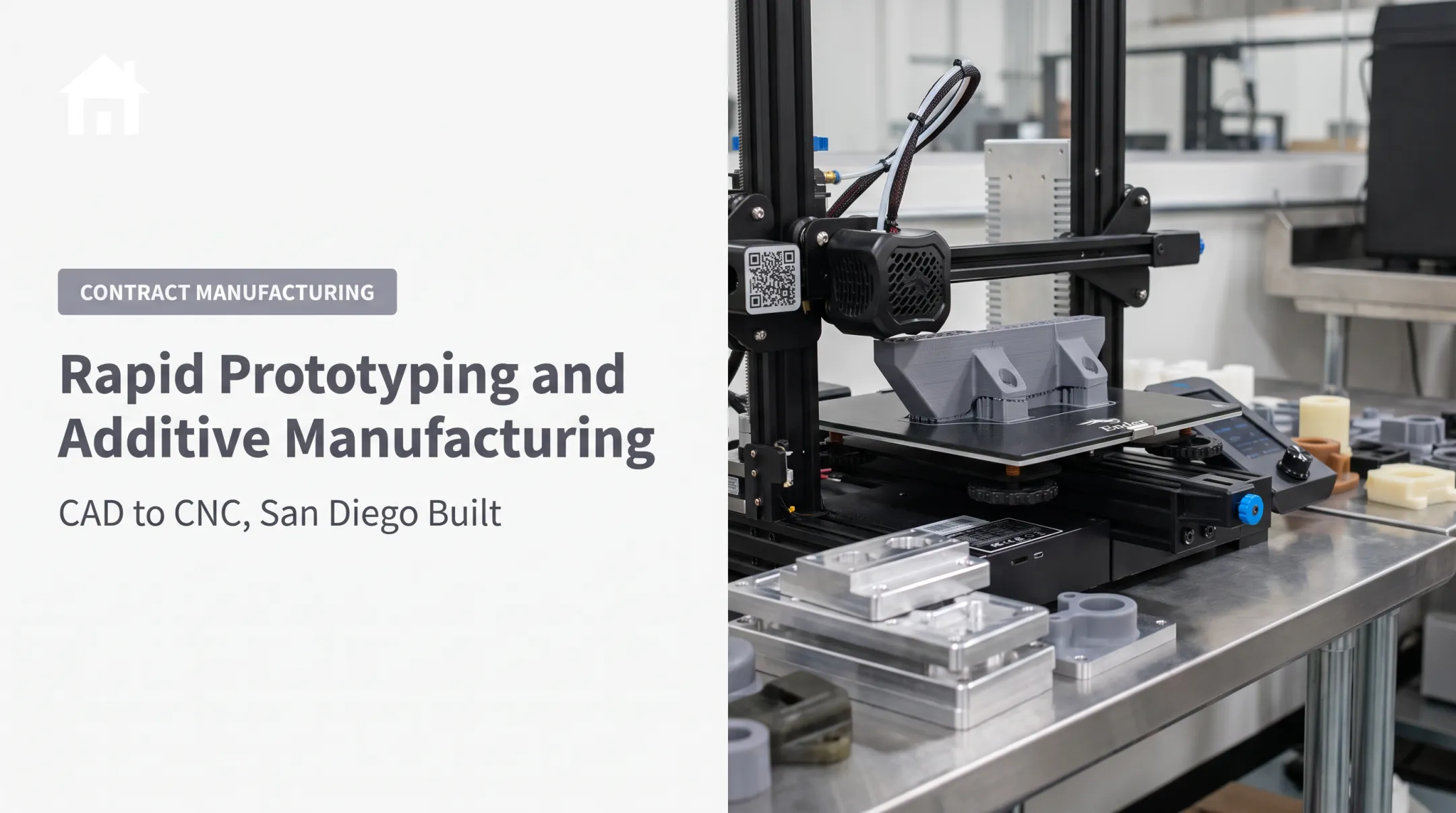
CNC machining removes material from solid stock using a CAD-guided cutting tool. It's the go-to for brackets, housings, and mounts that need tight tolerances and production-grade materials. Because it works in engineering plastics and metals, CNC parts can double as functional test pieces, not just visual mockups.
3D Printing for Rapid Iteration
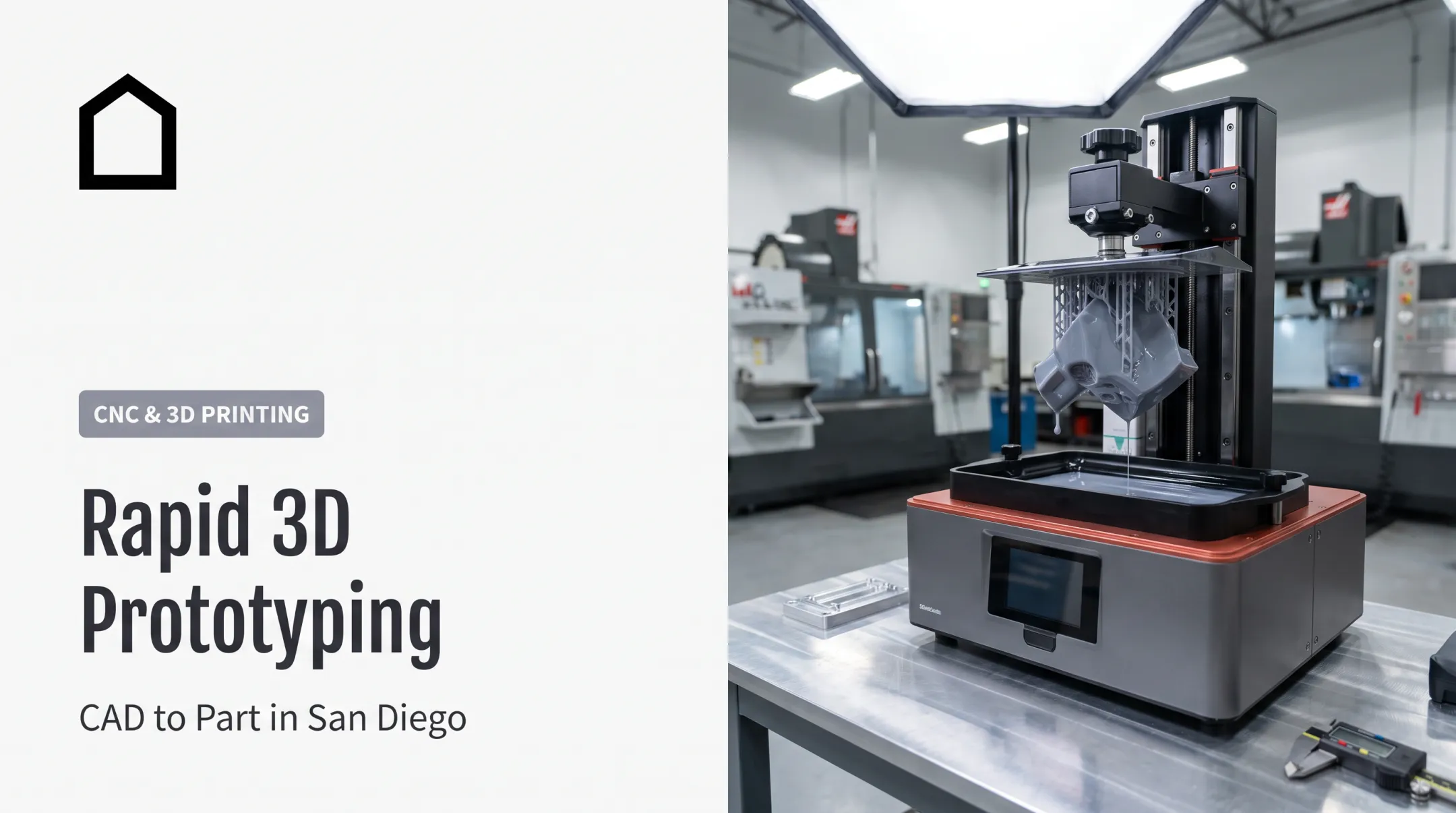
SLA and SLS printing build parts layer by layer from a digital file, no tooling required. That makes them ideal for quick turns on complex geometries: vents, sensor mounts, interior trim. SLS in particular skips support structures, so intricate or nested designs come out clean.
Urethane and Vacuum Casting for Production-Like Parts
Urethane casting pours resin into a silicone mold made from a master pattern, producing small batches that closely mimic final production material and finish. It's a common bridge between early prototypes and injection-molded production parts.
| Part Type | Typical Process | Purpose |
|---|---|---|
| Structural (brackets, mounts) | CNC machining | Tight tolerances, mechanical testing |
| Exterior/trim (vents, panels) | SLA/SLS 3D printing | Fast iteration on geometry |
| Interior (knobs, dash panels) | Urethane/vacuum casting | Production-like finish, small runs |

Choosing the Right Materials for Automotive Prototypes
Material choice should match the testing goal, not the other way around.
Engineering plastics such as ABS, polycarbonate, and nylon work well for exterior panels and form-fit mockups. They're inexpensive, easy to machine or print, and good enough when you're checking fit or appearance rather than mechanical performance.
Metals like aluminum and stainless steel come into play when a prototype needs to simulate how the final part actually behaves under load, heat, or stress. If you're testing a bracket that will carry real weight in the vehicle, a plastic mockup won't tell you much.
A simple rule: appearance validation doesn't need production-grade material. Functional testing does. Skipping this distinction wastes money either by over-specifying an early mockup or under-testing a part that matters structurally.
The Rapid Prototyping Process: From Concept to Validated Part
Getting from a CAD file to a validated automotive part follows five steps:
- CAD modeling and design review: Establish precise digital specs and flag manufacturability issues before anything gets built.
- Initial prototype production: Use 3D printing or CNC machining for early fit and form checks.
- Functional and durability testing: Push the prototype to find flaws before they become expensive tooling mistakes.
- Iteration: Refine design and materials based on what testing revealed. Most parts go through more than one round.
- Transition planning: Move toward production methods like injection molding or urethane casting for low-volume runs.
Catching a flaw at step 3, before tooling investment, is where rapid prototyping pays for itself. A bad bracket design costs a few days and some resin at this stage. Caught after tooling, it costs weeks and thousands of dollars.

Why a One-Stop-Shop Manufacturing Partner Matters
Coordinating separate vendors for CAD, 3D printing, machining, and molding sounds manageable on paper. In practice, every vendor handoff adds delay, miscommunication, and risk of files getting lost in translation.
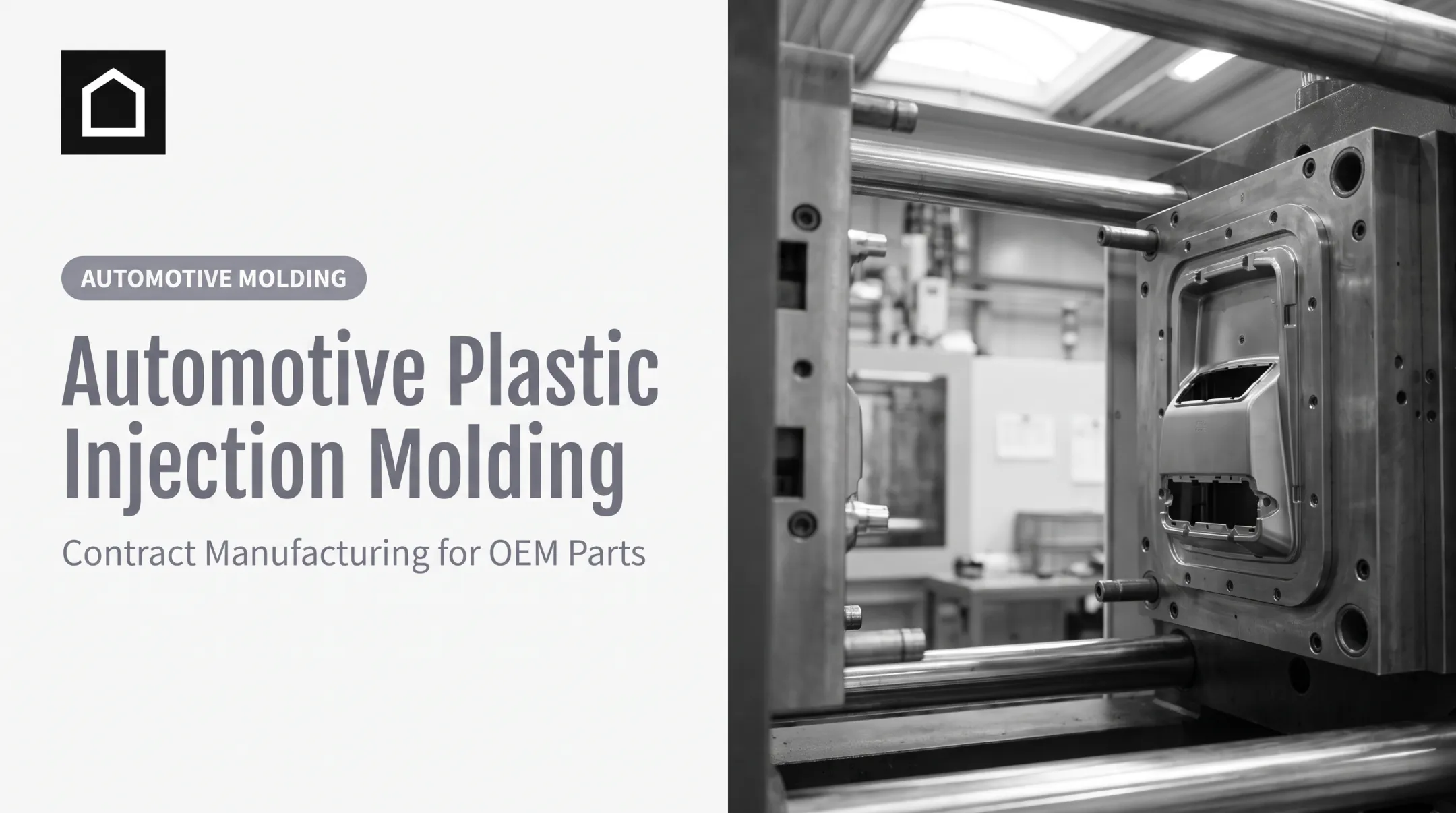
Finine Design and Manufacturing runs as a full-service partner from its San Diego facility. Automotive clients get CAD modeling, 3D printing, CNC machining, urethane casting, injection molding, and production painting under one roof:
- Keeps design intent with one team from CAD through the finished part
- Moves from prototype to low-volume production without switching suppliers
- Cuts schedule risk by removing multi-vendor handoffs
For teams on tight development windows, one partner across the full process moves faster than stitching together three or four vendors.
Frequently Asked Questions
What is a car prototype called?
A full vehicle build is usually called a prototype vehicle. When it is built mainly to showcase design or technology, it may also be labeled a concept car. Individual component mockups are called part prototypes.
What are the four main types of prototypes?
Automotive development commonly uses physical prototypes (tangible parts) and virtual prototypes (digital mockups or simulations). Experience prototypes simulate how users interact with a feature, while service prototypes model broader processes.
What are the five stages of prototyping?
The typical sequence is CAD design, initial build, testing, iteration, and production transition. Each stage feeds into the next, refining the design before committing to tooling.
What is an example of a prototype?
Common automotive examples include a 3D-printed dashboard mockup to check fit and appearance, and a CNC-machined bracket to test mechanical performance.
How long does automotive prototyping typically take?
Simple 3D-printed parts can be ready in a few days, while CNC-machined components typically take 1-10 days. More complex functional prototypes or urethane-cast parts can take a few weeks depending on complexity.
Can rapid prototyping reduce costs without sacrificing quality?
Yes. Fast iteration catches design flaws early, when they're cheap to fix, instead of after tooling is already cut. That avoids expensive rework and keeps quality intact while shortening the timeline.